
What scientists found when they analyzed 187 of Donald Trump’s shrugs
A study in Visual Communication suggests Donald Trump's shrug is a strategic tool to build rapport. Rather than expressing ignorance, the gesture often signals that a statement is an obvious truth he and his audience already share.
Read moreDetails
Long-term study shows romantic partners mutually shape political party support
People often share political views with their romantic partners, but is this because they choose like-minded mates or because they influence each other over time? A new decade-long study of couples offers some answers to this complex question of political...
Read moreDetails
Study finds a shift toward liberal politics after leaving religion
As more people in the United States and elsewhere leave their religious faith, a key question emerges: Do their political views change as well? A new multi-part study provides insight into the political transformations that can accompany religious de-identification.
Read moreDetails
Feeling moved by a film may prompt people to reflect and engage politically
People who feel emotionally moved by fictional films often report thinking more about political issues and showing more interest in taking action. A new study highlights the potential connection between meaningful entertainment and various forms of political engagement.
Read moreDetails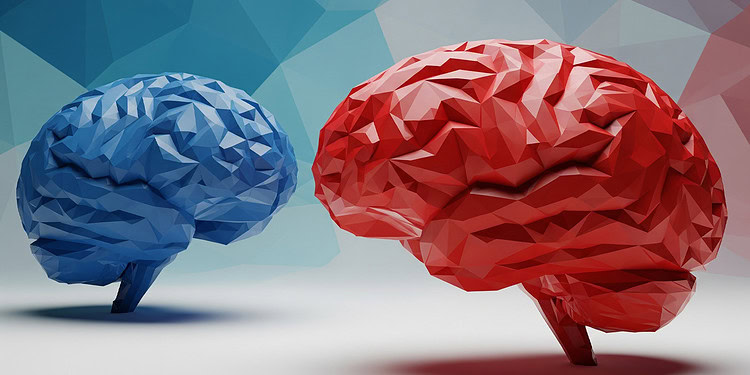
Are conservatives more rigid thinkers? Rival scientists have come to a surprising conclusion
A new study questions the long-held assumption that political ideology predicts mental flexibility. Researchers with opposing views collaborated to investigate whether conservatives, liberals, or extremists are truly more rigid in their thinking.
Read moreDetails
A common cognitive bias is fueling distrust in election outcomes, according to new psychology research
A common mental shortcut may explain why many people believe in election fraud. New research shows the order of the vote count can make a legitimate late comeback seem suspicious, impacting perceptions of the election's legitimacy.
Read moreDetails
National prostalgia is associated with lower support for Donald Trump
New research explores how emotional connections to a nation’s past or future are associated with political preferences and social attitudes, suggesting that national nostalgia relates to more prejudice, while national prostalgia tends to align with more inclusive views.
Read moreDetails
How a single detail about Trump radically changes partisan views on immigration
Immigration opinions in the United States often split along party lines. But a new study raises questions about whether that divide is as fixed as it seems. Researchers looked at how one idea could tip support in either direction.
Read moreDetails
Elon Musk’s political persona linked to waning interest in Teslas among liberals
New research finds liberals’ intentions to buy a Tesla are declining, an effect tied to perceptions of Elon Musk. Meanwhile, conservatives’ already low interest in the brand has not increased, according to the study.
Read moreDetails
Negativity drives engagement on political TikTok
TikTok users are more likely to interact with political videos that target out-groups, express negative emotion, or call for action. Engagement patterns differ by political leaning, but conflict-driven and emotionally charged content consistently performs better across the ideological spectrum.
Read moreDetails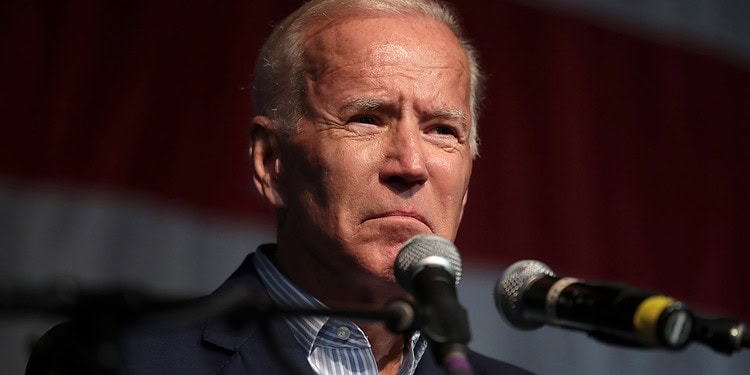
Researchers uncover a stubbornly persistent bias for progress-oriented leaders
Even when they recognize that stability is the smarter choice, people still prefer leaders who promise change. A series of experiments provides evidence of a widespread progress bias that may shape political and organizational decision making.
Read moreDetails
Both sides favor censorship when children’s books conflict with their political beliefs
A new study in PLOS ONE provides evidence that both liberals and conservatives tend to support censorship of children’s books when the content contradicts their values, even though they broadly claim to oppose the suppression of ideas.
Read moreDetails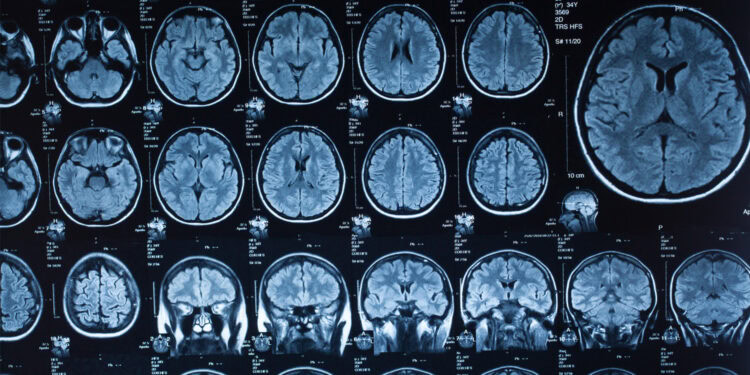
People on the far-right and far-left exhibit strikingly similar brain responses
New research shows that people with strong political beliefs react more emotionally to political content. Brain activity patterns were similar among ideological extremists, whether liberal or conservative, suggesting that emotion plays a central role in how extreme views take hold.
Read moreDetails
Moral absolutism explains support for bans better than conservative or liberal ideology
A new study finds that one's moral philosophy, more than their political ideology, predicts their support for banning practices they find immoral. This difference helps explain a deep-seated source of political disagreement.
Read moreDetails
Populist appeals often signal ideology, even when no policies are mentioned
Populist appeals often sound simple, but they might carry more weight than expected. A recent study shows that even vague statements about “the people” or “elites” can lead voters to assume a candidate supports specific political ideologies or policies.
Read moreDetails