Experienced FPS gamers show faster, more efficient eye movements during aiming tasks, study finds
Experienced FPS players showed faster aiming execution and more efficient eye movement patterns, especially a single-saccade strategy, compared to non-players. Their advantage persisted across different distances and timing conditions, suggesting enhanced visual-motor coordination under pressure.
Read moreDetails
New study reveals four psychological profiles of gamers linked to mental health and attachment styles
A large international study has uncovered four psychological profiles of video game players, each shaped by emotional regulation, attachment style, and mental health. The findings offer new insight into which gamers are most at risk for problematic use.
Read moreDetails
Playing Fortnite linked to stronger peer relationships in boys
Researchers exploring digital game use in boys found patterns linking specific games to different social traits. Fortnite and Clash of Clans were associated with stronger peer relationships, while Mortal Kombat was tied to more aggression.
Read moreDetails
Therapeutic video game shows promise for post-COVID cognitive recovery
A new study finds that a therapeutic video game, AKL-T01, improved task-switching and processing speed in people with post-COVID cognitive deficits. While sustained attention did not improve, participants reported better quality of life and reduced fatigue after six weeks of...
Read moreDetails
Scientists use brain activity to predict StarCraft II skill in fascinating new neuroscience research
A study combining brain scans and gameplay data reveals that players with more efficient visual attention and stronger white matter connections excel at StarCraft II. The results highlight how neural traits shape success in cognitively demanding video games.
Read moreDetails
Eye-tracking reveals distinct attention patterns in high-risk gamers compared to esports players
Despite similar gaming hours, high-risk gamers exhibit distinct attentional biases towards game images, unlike esports players. Published in Computers in Human Behavior, the study suggests eye movements differentiate these groups better than time played alone.
Read moreDetails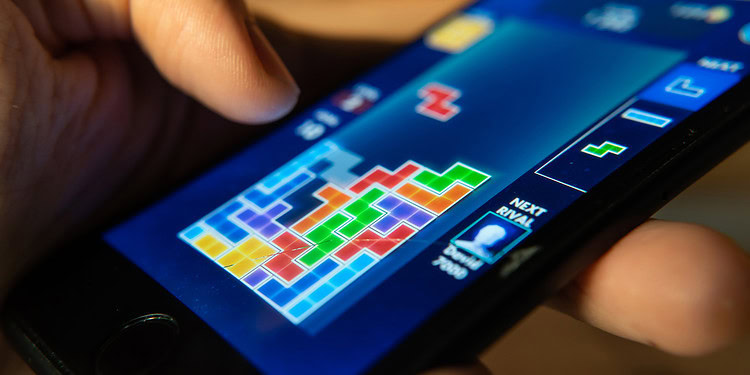
A 20-minute game of Tetris reduced traumatic memories in pandemic frontline workers
A simple video game task eased trauma-related symptoms in healthcare workers, offering a potential tool for frontline mental health support.
Read moreDetails
Action video gamers have enhanced functional and structural connectivity in the dorsal visual stream
A new brain imaging study finds that action video gamers may develop enhanced visual processing abilities, especially in spatial awareness and movement tracking.
Read moreDetails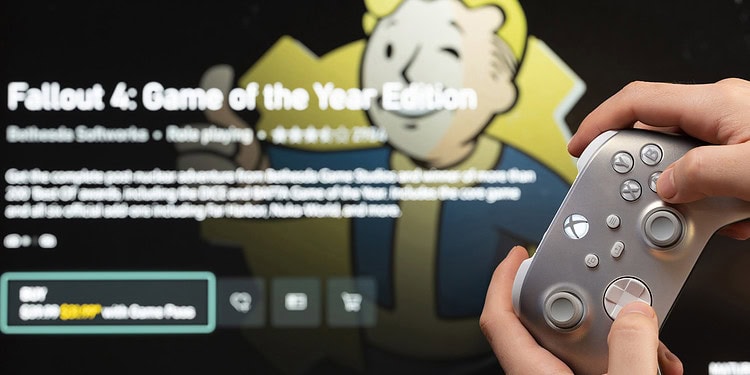
Open-world games reduce stress and improve psychological well-being
New research shows playing open-world games promotes cognitive escapism, relaxation, and improved psychological well-being. Key benefits include autonomy, skill mastery, and a sense of purpose.
Read moreDetails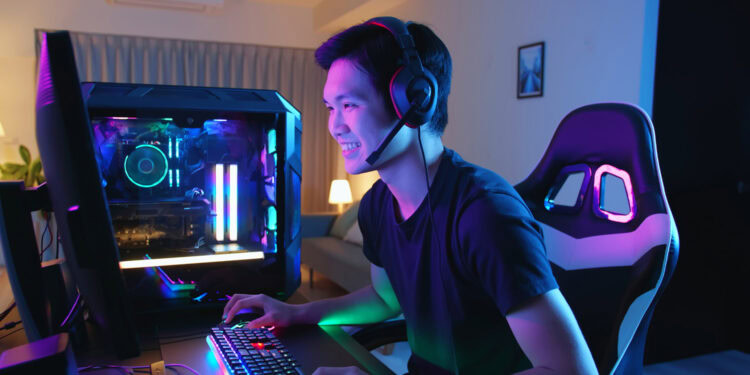
Gamers with lower social skills are more likely to make impulsive in-game purchases
New findings indicate that competitive attitudes do not directly lead to in-game impulse purchases. Instead, the need for popularity fully mediates this relationship, while social competence moderates it.
Read moreDetails
Mindfulness meditation reduces gaming addiction by reshaping brain connections
Recent research found that mindfulness meditation reduces gaming cravings by improving brain connections related to self-control and reward processing, while also lowering sensitivity to gaming cues and stabilizing neurotransmitter activity linked to addiction.
Read moreDetails
Gaming for mental health? New study links playing PowerWash Simulator to mood improvement
Playing PowerWash Simulator slightly boosts players’ moods, especially in the first 15 minutes. Researchers analyzed data from nearly 9,000 players and found short-term mood improvements.
Read moreDetailsStudy finds Tetris-based therapy can ease post-traumatic stress disorder symptoms
A single, guided session with the video game Tetris reduced distressing intrusive memories in healthcare workers, with effects lasting up to six months, suggesting a simple, accessible intervention could alleviate trauma symptoms in high-stress populations.
Read moreDetails
New research on female video game characters uncovers a surprising twist
While strength cues in female video game characters signal capability, they don’t counteract the negative impact of sexualization. Surprisingly, female players often chose highly sexualized characters to play, despite generally disliking them.
Read moreDetails
Gamified digital mental health interventions show modest effects in treating youth with ADHD and depression
New research indicates gamified digital mental health interventions modestly help children with ADHD and depression, especially when delivered via computers, but fail to significantly reduce anxiety symptoms.
Read moreDetails