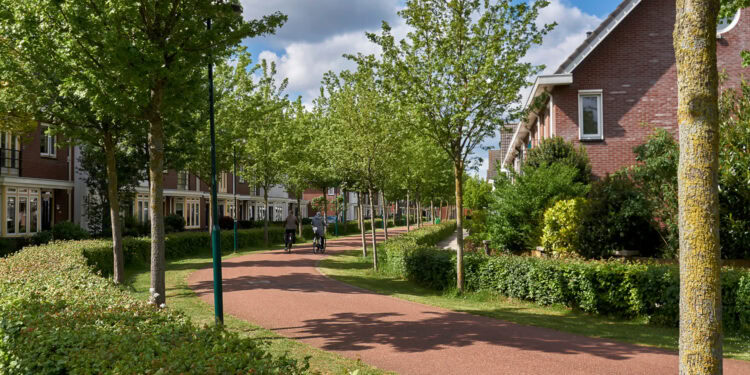

Long-term exposure to residential greenness is associated with a reduced risk of depression and anxiety, as published in Nature Mental Health.
Mental health conditions, particularly depression and anxiety, have been increasingly recognized as significant public health issues worldwide. Despite a broad range of genetic and environmental factors known to contribute to mental disorders, emerging research is exploring the potential mental health benefits of environmental exposures, including access to residential green spaces.
Jianing Wang and colleagues pursued this line of investigation to determine whether long-term exposure to neighborhood greenness might reduce the risk of developing depression and anxiety.
Previous studies examining the relationship between greenness and mental health have shown inconsistent findings, with some suggesting protective effects against mental health issues and others finding no such association. Many prior studies were cross-sectional, limiting their capacity to establish causation. The study conducted by Wang and colleagues addresses these limitations by employing a longitudinal approach, utilizing over 400,000 participants, and exploring possible mediating factors such as air pollution.
The researchers utilized data from the UK Biobank, a large-scale cohort of over half a million adults aged 40-69 from across the United Kingdom. The researchers excluded participants with pre-existing depression or anxiety, those with a family history of severe depression, and individuals with missing data on greenness exposure, resulting in a final sample of 409,556 participants. Sociodemographic and lifestyle data were also gathered, including information on age, gender, education, income, physical activity, and residential location (urban or rural), to control for potential confounders.
Greenness exposure was measured using the normalized difference vegetation index (NDVI), which captures vegetation density based on satellite imagery data. NDVI values were calculated for buffers of 300m, 500m, 1000m, and 1500m around each participant’s residence, allowing for analyses of varying distances from the home. The study tracked participants’ mental health outcomes over a median follow-up period of 11.9 years, identifying new cases of depression and anxiety through primary care records, hospital admissions, death registries, and self-reported physician diagnoses.
To explore possible pathways by which greenness might influence mental health, the researchers examined air quality variables, such as levels of PM2.5, NO2, NOx, SO2, and O3, as well as lifestyle factors and neighborhood characteristics. Mediation analysis was used to identify and quantify the potential role of these variables in the relationship between greenness and mental health outcomes.
Over the follow-up period, 14,309 cases of depression and 16,692 cases of anxiety were identified. Higher exposure to residential greenness was associated with a lower risk of developing both depression and anxiety. Specifically, individuals in the highest quartile of NDVI within a 300m buffer zone had a 16% reduced risk of depression and a 14% reduced risk of anxiety compared to those in the lowest quartile. Similar trends were observed for the 500m, 1000m, and 1500m buffers, with consistently protective associations between greenness exposure and mental health, particularly in areas of higher vegetation density.
The researchers further investigated potential mediators of this relationship and found that reduced air pollution played a significant role. For example, more than 50% of the association between greenness within a 300m buffer and reduced depression risk was mediated by lower levels of PM2.5, indicating that cleaner air in greener areas significantly contributes to mental health benefits.
NO2 and other air pollutants also acted as mediators, though to a lesser extent. In addition to air quality, certain lifestyle factors, including sleep duration, outdoor activity in winter, and social engagement, had minor but significant mediation effects, suggesting that greenness may indirectly improve mental health by encouraging healthier living.
Together, these findings support a multi-layered relationship between greenness and mental health, emphasizing the direct environmental and indirect lifestyle benefits of green spaces.
The authors noted that while NDVI offers a quantitative assessment of greenness, it does not capture the quality or usability of green spaces, potentially limiting the study’s findings.
The research, “Long-term exposure to residential greenness and decreased risk of depression and anxiety”, was authored by Jianing Wang, Yudiyang Ma, Linxi Tang, Dankang Li, Junqing Xie, Yonghua Hu, and Yaohua Tian.