
Migraines are linked to accelerated brain aging in regions tied to memory and emotion
Migraines are more than just painful headaches. A new study reveals that the condition is linked to accelerated brain aging, with structural changes appearing in regions responsible for memory, attention, and emotional regulation.
Read moreDetails
Daily almond consumption may boost cognitive processing speed for adults with prediabetes
Adults at elevated risk for type 2 diabetes might protect their brain function simply by updating their snacking habits. A recent trial shows that eating raw almonds daily improved processing speed and executive function in middle-aged individuals.
Read moreDetails
Relying on reminders could be weakening your memory skills
We rely on digital reminders to manage our busy lives, but a new study suggests they come with a hidden cost. Researchers found that relying on reminders can actually weaken your ability to remember tasks on your own later.
Read moreDetails
New research challenges the idea that memories of childhood maltreatment can’t be trusted
Society often doubts memories of childhood trauma, assuming emotions distort the past. However, a major new study reveals that survivors are highly reliable narrators, with accounts of abuse remaining remarkably stable over time.
Read moreDetails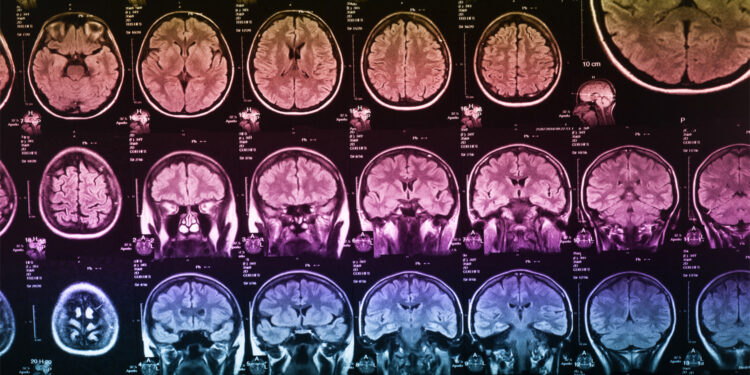
Neuroimaging study of 30,000 adults links the size of six brain areas to stronger working memory
As we age, our ability to temporarily hold and process information tends to decline. However, a recent study of over 30,000 adults suggests that having more physical tissue in six specific brain regions predicts better working memory.
Read moreDetails
Targeted magnetic stimulation of the brain shows promise for memory improvement
A comprehensive review of 38 studies provides evidence that targeting the brain's hippocampal network with noninvasive magnetic pulses selectively improves a person's ability to recall specific, personal experiences without affecting other cognitive skills.
Read moreDetails
Neuroscientists discover how the brain physically organizes your autobiographical memories
A new neuroimaging study reveals that the brain organizes autobiographical memories chronologically. Memories from similar periods of your life share similar neural patterns, showing how our minds physically map out our personal histories.
Read moreDetails
Does the body really “keep the score” after trauma? How the debunked idea of “repressed memories” is making a comeback
The popular book The Body Keeps the Score has mainstreamed the idea that the body stores repressed traumatic memories. However, memory researchers warn this controversial concept risks reviving debunked theories and promoting therapies that generate false memories.
Read moreDetails
Scientists had never seen this extremely rare memory condition in a child—until now
A new case study published in Cortex provides the first documented evidence of highly superior autobiographical memory in early adolescence. The findings reveal a 13-year-old boy who can recall his past with extraordinary, near-perfect accuracy.
Read moreDetails
Neuroscientists discover the brain’s memory center starts “full” and prunes itself down to optimize learning
Far from a blank slate, the infant brain begins with an overabundance of random neural connections. Neuroscientists discovered how trimming this excess wiring transforms the hippocampus into a powerful, structured memory machine.
Read moreDetails
Negative emotions tied to sexual experiences take longer to fade than everyday memories
A recent study suggests that negative emotions tied to everyday memories fade much faster than those linked to sexual experiences. Researchers found that while the brain naturally softens bad memories, intimate encounters resist this emotional fading process.
Read moreDetails
Heavy substance use in early adulthood predicts memory problems decades later
A new study reveals that heavy drinking, smoking, and cannabis use in early adulthood can lead to memory problems decades later. The research highlights how habits formed in youth cast a long shadow over future brain health.
Read moreDetails
New psychology research reveals your face might determine how easily people remember your name
Have you ever struggled to remember the name of someone you just met? A recent study suggests that the natural memorability of a person's face plays a significant role in whether you will actually recall their name.
Read moreDetails
Neuroscientists identify brain regions that drive curiosity for what might have been
A study in Social Cognitive and Affective Neuroscience suggests the brain's reward system drives people to seek information about alternative realities. Scientists found this urge remains strong even when the information leads to negative emotions like regret.
Read moreDetails
A daily mindfulness habit can improve your memory for future plans
A daily meditation practice might help you remember future tasks. A new psychology experiment revealed that a week of mindfulness training boosted time-based memory, particularly when participants could not easily check a clock.
Read moreDetails