
New study identifies functional declines that predict psychosis risk
New research involving over 1,000 youth suggests that declining social skills and school performance may serve as early warning signs of psychosis, long before clinical symptoms manifest.
Read moreDetails
Two-thirds of non-speaking autistic children gain speech with evidence-based therapy
A large-scale analysis reveals that while most autistic preschoolers gain language skills through therapy, a distinct subgroup does not. Researchers identified lower motor imitation skills as a key predictor for limited progress.
Read moreDetails
Hyperarousal symptoms drive alcohol problems in male soldiers, new research suggest
A new longitudinal analysis suggests that specific PTSD symptoms, particularly hyperarousal, drive hazardous drinking in military reservists. The findings indicate that male soldiers are uniquely at risk for alcohol problems stemming from physiological agitation.
Read moreDetails
High body mass index identified as a direct cause of vascular dementia
Is obesity a direct cause of dementia? A massive study using genetic data says yes. Findings published in The Journal of Clinical Endocrinology & Metabolism reveal that high blood pressure mediates this dangerous link.
Read moreDetails
Borderline personality traits are associated with reduced coordination during a finger-tapping task
New research reveals that individuals with high borderline personality traits struggle to synchronize actions with others. A finger-tapping experiment showed they displayed greater asynchrony and reported more negative feelings during the interaction.
Read moreDetails
Your brain being “in sync” with others may protect against trauma, new neuroscience research suggests
A new study suggests that people who naturally synchronize their brain activity with others are more resilient to trauma. The findings show reduced PTSD symptoms following the October 7 attacks in Israel among those with high neural alignment.
Read moreDetails
AI identifies behavioral traits that predict alcohol preference during adolescence
A new study using machine learning reveals that adolescent mice with a sweet tooth and lower sociability are more likely to prefer alcohol. Interestingly, these behavioral patterns did not predict alcohol preference in adult mice.
Read moreDetails
Genetic factors likely confound the link between c-sections and offspring mental health
New research suggests that the observed connection between cesarean births and mental illness is influenced by hereditary factors. Planned C-sections were linked to elevated polygenic risk scores for specific psychiatric disorders, unlike acute C-sections.
Read moreDetails
Severe sleep problems is associated with fewer years of healthy brain function
New research suggests that older adults with chronic sleep issues tend to live shorter lives and spend less time with normal memory and thinking skills.
Read moreDetails
People in romantic relationships who show a high-K fitness profile are more likely to be “good” patients
New research reveals that individuals with "high-K" fitness strategies—those prioritizing long-term stability—are more engaged in their recovery, especially when in satisfying romantic relationships.
Read moreDetails
General anxiety predicts conspiracy beliefs while political anxiety does not
Researchers have discovered that everyday nervousness is linked to conspiracy theory endorsement, while stress regarding elections and polarization is not. This challenges the assumption that political anxiety drives conspiratorial thinking.
Read moreDetails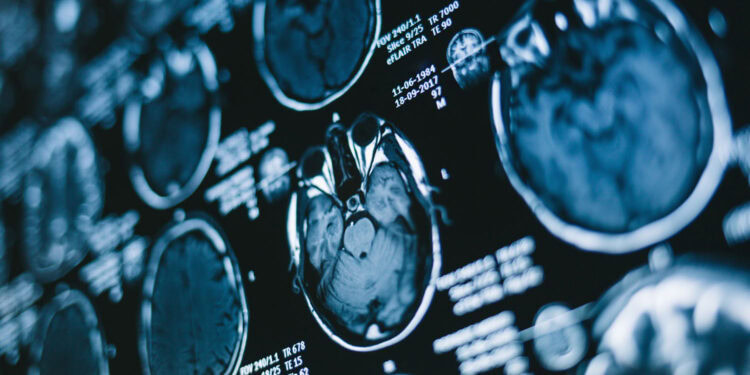
Brain imaging provides insight into the biological roots of gambling addiction
New research demonstrates that gambling disorder alters the way the brain processes rewards and forms habits. By measuring gray matter and chemical signals, researchers have identified specific targets for future medical and stimulation therapies.
Read moreDetails
AI chatbots tend to overdiagnose mental health conditions when used without structured guidance
Artificial intelligence chatbots frequently overdiagnose mental health conditions when used without guidance, but new research shows that integrating professional decision trees significantly improves their diagnostic precision.
Read moreDetails
Scientists reveal atypical depression is a distinct biological subtype linked to antidepressant resistance
A new study of 15,000 people reveals atypical depression is a distinct biological subtype. Researchers found specific genetic risks and evidence that standard antidepressants may be less effective for this group.
Read moreDetails
New large study finds little evidence that social media and gaming cause poor mental health in teens
It is a commonly held belief that social media drives the youth mental health crisis. However, a recent study tracking 25,000 teenagers finds little evidence that time spent online causes anxiety or depression, challenging the popular narrative.
Read moreDetails