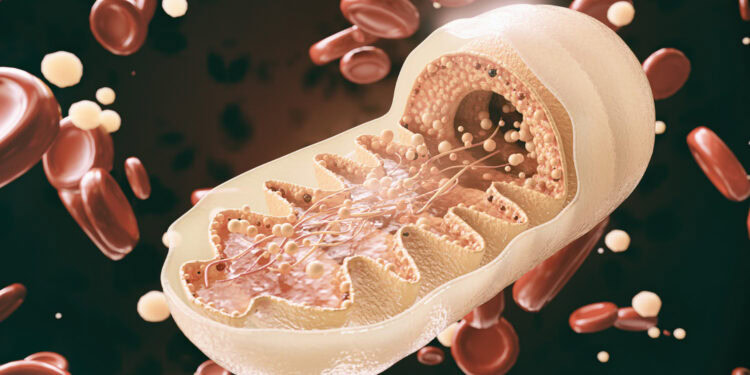
Chemogenetic breakthrough reverses cognitive decline by powering up brain mitochondria
Scientists have developed a chemogenetic tool that boosts mitochondrial activity in the brain, reversing memory loss in mouse models of dementia. The findings suggest that impaired energy production in brain cells may directly contribute to cognitive decline in neurodegenerative diseases.
Read moreDetails
Even light alcohol drinking raises dementia risk, according to largest genetic study to date
Findings from the largest study of its kind suggest that alcohol consumption—regardless of amount—may increase the risk of dementia. Genetic data challenge the idea that moderate drinking offers any protective effect on brain health.
Read moreDetails
Trump links Tylenol and autism. What does current research actually say?
Researchers reviewed dozens of studies and found that children whose mothers used acetaminophen during pregnancy were more likely to be diagnosed with neurodevelopmental disorders. The study adds weight to growing concerns about the drug’s safety in pregnancy.
Read moreDetails
Gamers show no major psychological disadvantages compared to non-gamers
Do gamers really differ from non-gamers in their psychological makeup? A new study suggests they don’t. Researchers found few meaningful differences in personality traits, emotional regulation, or defense mechanisms, complicating popular assumptions about the mental health of gamers.
Read moreDetails
Night owls more prone to problematic smartphone use, with loneliness and anxiety as key factors
New research finds young adults who are "night owls" are more prone to problematic smartphone and social media use. A study in PLOS One suggests this isn't just about sleep patterns but is strongly linked to underlying feelings of loneliness...
Read moreDetails
PTSD symptoms linked to the tendency to absorb others’ stress reactions
Can witnessing another person’s stress silently stir your own trauma? A new study suggests that people who “resonate” more strongly with others’ distress are also more likely to report PTSD symptoms.
Read moreDetails
Common cinnamon metabolite shows potential for Alzheimer’s treatment by reducing amyloid in blood
Researchers have discovered that an oral dose of sodium benzoate, a widely used food preservative, lowers Alzheimer's-related amyloid proteins in patients. This finding points toward a potentially safe and convenient treatment option compared to current infusion-based therapies for the disease.
Read moreDetails
Lower creatine intake associated with greater depression and anxiety
Data from over 5,000 individuals in South Korea indicate that lower dietary creatine intake is associated with greater depression severity and suicide risk, prompting researchers to consider whether creatine may play a broader role in psychological well-being.
Read moreDetails
Multinutrient supplements may ease biological stress in children with ADHD
A new study suggests that children with ADHD who received multinutrient supplements for eight weeks showed lower levels of oxidative stress. The findings point to a possible biological mechanism that could help explain how nutritional interventions influence symptoms.
Read moreDetails
Children with autism face more frequent and persistent digestive problems
A long-term study found children with autism experience more frequent and persistent gastrointestinal problems than their peers. These digestive issues were linked to greater challenges with sleep, behavior, communication, and sensory processing, with more symptoms indicating more severe difficulties.
Read moreDetails
Genetic analysis upends narrative linking social media use to lower wellbeing
A large twin study suggests the weak associations between social media use and mental health may reflect shared genetic influences, not direct effects. The findings challenge alarmist narratives and point to the need for more personalized approaches to understanding online...
Read moreDetails
Testosterone levels linked to PTSD symptoms in both men and women, study finds
Mid-range testosterone levels were linked to the lowest PTSD symptoms in both men and women, while both low and high levels were associated with more symptoms. This U-shaped relationship was stronger among individuals with higher body mass index.
Read moreDetails
Higher African ancestry may be linked to slower rise in Alzheimer’s biomarker
A new study suggests that African American individuals with higher African genetic ancestry may experience slower increases in a key Alzheimer's disease biomarker, offering insight into ancestry-related differences in dementia biology and highlighting the need for more inclusive research.
Read moreDetails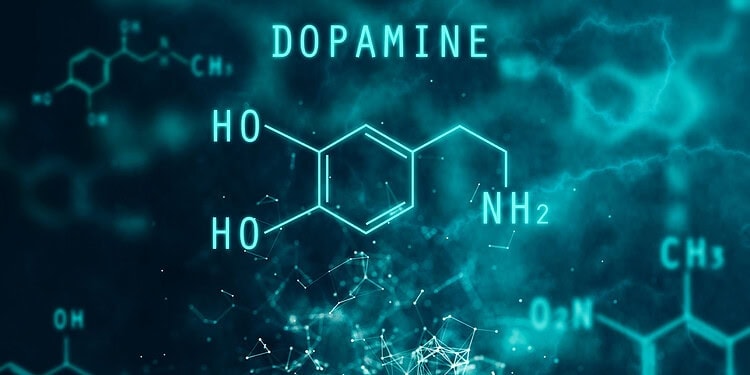
Dopamine study dissolves psychiatry’s diagnostic boundaries
For decades, psychiatry has treated conditions like schizophrenia and bipolar disorder as distinct. A new brain chemistry study challenges this, revealing the biological drivers of psychosis are remarkably similar across these diagnoses, which could revolutionize how millions of people are...
Read moreDetails
New research reveals early brain cell changes in young athletes exposed to head impacts
New research suggests repetitive head impacts in young athletes cause brain inflammation and the loss of specific neurons. These cellular changes happen years before chronic traumatic encephalopathy develops and are linked to the duration of contact sport exposure.
Read moreDetails