
Pain intensity and unpleasantness are decreased after a virtual walk through green space
A brief virtual walk in a lush environment reduced the intensity and unpleasantness of experimentally induced pain, while an urban setting had no effect. Pain tolerance stayed the same, but positive emotions rose and negative emotions fell after the green...
Read moreDetails
Scientists identify skull-to-brain immune pathway linking chronic stress to depression
Chronic stress may trigger inflammation in the brain’s surrounding tissues by sending immune cells from the skull’s bone marrow. This newly discovered immune pathway appears to play a role in anxiety and depression, offering potential targets for future treatments.
Read moreDetails
Trauma can trigger obsessive-compulsive disorder, not just PTSD, new study shows
Following the October 7th attacks, a study of survivors revealed a startling link. Direct exposure to the violence made individuals nearly six times more likely to develop obsessive-compulsive disorder.
Read moreDetails
Testosterone linked to cognitive decline but behavioral improvements in dementia patients
A study of dementia patients with behavioral symptoms suggests testosterone can have opposite effects on the brain. Higher levels of the hormone were linked to declining cognitive performance but also to improvements in symptoms such as depression and nighttime disturbances.
Read moreDetails
Loneliness is more closely tied to paranoid thought than to isolation, study finds
A new study suggests loneliness and paranoid thoughts reinforce each other, with loneliness playing a more central role than social isolation. Social isolation may fuel loneliness, which then heightens paranoia, while paranoid thinking can also increase feelings of loneliness over...
Read moreDetails
Artificial intelligence reveals hidden facial cues of mild depression
An artificial intelligence system can detect hidden signs of mild depression by analyzing facial expressions in short videos. A new study in Scientific Reports shows specific eye and mouth movements are linked to early depressive symptoms, offering a new tool...
Read moreDetails
Non-hallucinogenic psychedelic analog boosts brain plasticity in an unexpected way
Researchers discovered that tabernanthalog, a non-hallucinogenic analog of psychedelic drugs, can stimulate cortical neuron growth and improve depression-related behavior in mice. The study suggests these effects occur without the gene activity or neurotransmitter surges typically linked to classic psychedelics.
Read moreDetails
New research finds the cumulative weight of social hardship across a lifespan shapes the aging brain
A lifetime of cumulative social adversity is linked to poorer cognition, reduced daily function, and altered brain structure in both healthy older adults and individuals with dementia, suggesting societal inequality impacts long-term brain health.
Read moreDetails
Brain scan study connects parahippocampal cortex thinning with depression and neuroticism
Using ultra-high-field MRI, researchers in Germany report that people with major depressive disorder tend to have reduced thickness of the parahippocampal cortex, a brain region involved in memory and emotion. Thinner tissue was also linked to higher levels of neuroticism.
Read moreDetails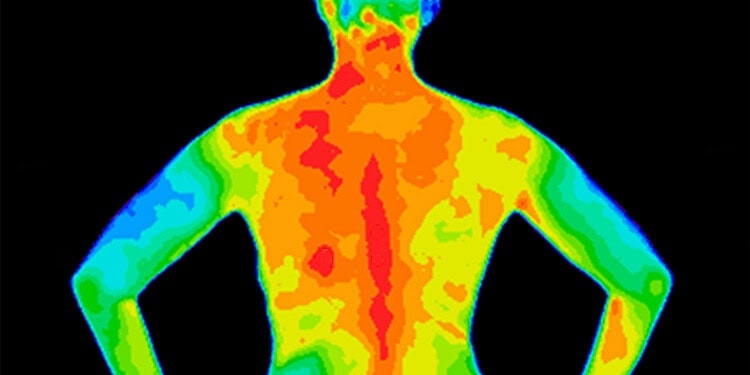
People experiencing manic episodes have measurably higher skin temperatures
A new study provides evidence that skin temperature may shift with mood states in bipolar disorder. Researchers found that individuals experiencing mania had elevated daytime skin temperatures, pointing to a potential physiological signal that could assist in monitoring mood episodes.
Read moreDetails
Autistic individuals and those with social anxiety differ in how they experience empathy, new study suggests
Autism and social anxiety can look similar on the surface, but new research reveals meaningful differences in how empathy is experienced. The study proposes a new tool to help clinicians more accurately differentiate between the two conditions.
Read moreDetails
Scientists pinpoint brain region that locks in addiction by learning to escape withdrawal
How does the brain learn to link alcohol with relief from withdrawal, creating a powerful cycle of relapse? A new study isolates a specific cluster of neurons that becomes highly active, essentially locking in this compulsive behavior.
Read moreDetails
Jail-based opioid addiction treatment saves lives and reduces reincarceration
New research finds a powerful tool against the opioid crisis inside jail walls. Providing addiction medication to incarcerated individuals is associated with a 52% lower risk of fatal overdose and a 12% lower risk of returning to jail.
Read moreDetails
Massive study of Reddit posts sheds light on lived experiences of autism
A new study used artificial intelligence to analyze over 740,000 Reddit posts about autism. The findings offer a window into how autistic individuals describe their lives, revealing emotional struggles, sensory issues, and community support often missing from clinical descriptions.
Read moreDetails
Alzheimer’s risk genes tied to subtle boost in social engagement before symptoms appear
New research using UK Biobank data suggests that people with a higher genetic risk for Alzheimer’s disease may actually report less social isolation and stronger family relationships in midlife, challenging the idea that risk for dementia always reduces social connection.
Read moreDetails