Lab-grown brain models reveal unique electrical patterns in different types of autism
By growing miniature brain models from patient cells, researchers have identified distinct electrical activity patterns linked to various autism profiles. This approach offers a personalized way to study the unique biological roots of neurodevelopmental conditions.
Read moreDetails
Parental acceptance and trauma resilience are linked to faster brain development in 9-13-year-olds
New research shows a child’s home environment is closely linked to how their brain matures. A recent study associates parental acceptance with faster brain development, while exposure to household abuse correlates with delayed microstructural brain changes.
Read moreDetails
Neuroscientists just upended our understanding of Pavlovian learning
Published in Nature Neuroscience, new research reveals that timing, not repetition, drives associative learning. By showing the brain prioritizes the delay between rewards, the study upends century-old assumptions and suggests new ways to understand habit formation.
Read moreDetails
A faulty brain waste disposal system may lead to psychosis
A specialized network responsible for washing away cellular waste in the brain might play a role in the development of schizophrenia. Young people at a high genetic risk for psychosis showed early signs of a malfunctioning clearance system.
Read moreDetails
New neuroimaging study maps the brain networks behind scientific creative thinking
How do scientists come up with new ideas? Brain scans show that scientific creativity requires the brain’s imagination, control, and switching networks to actively communicate to generate and evaluate novel hypotheses.
Read moreDetails
Psilocybin unlocks a specific biological signature in the brain linked to profound mystical states
New research suggests that psilocybin shifts the brain from a relaxed state into a highly engaged pattern of rapid electrical activity. This measurable shift in brain waves provides evidence linking biological changes directly to subjective psychedelic experiences.
Read moreDetails
Scientists discover a new brain pathway that rapidly depletes diet-resistant body fat
A new study reveals how the brain triggers the breakdown of stable fat cells that normally resist diet and exercise. This discovery provides evidence for how severe wasting diseases cause dangerous weight loss in vulnerable patients.
Read moreDetails
Scientists discover how gut inflammation can drive age-associated memory loss
Memory loss is often viewed as a brain problem, but the digestive system plays a major role. Research published in Nature shows that age-related bacterial changes disrupt nerve communication, and fixing this restores memory in mice.
Read moreDetails
Brain scans reveal a bipolar-like link to childhood trauma in some depressed patients
Not all depression is the same. A new study reveals that depressed patients with a high genetic risk for bipolar disorder show a structural brain association with childhood trauma that closely mimics bipolar disorder itself.
Read moreDetails
Neuroticism is linked to altered communication between the brain’s emotional networks
Rather than a single hyperactive area causing emotional instability, recent research points to network-wide communication. Scientists found that neuroticism involves tight connections between the brain's threat detector and systems that manage memory and self-control.
Read moreDetails
New brain scanning method safely tracks how Alzheimer’s drugs work in living patients
A recent study shows that combining magnetic brain scans with computer models can safely measure how dementia medications affect living human brains. This approach could replace invasive tests and speed up the development of new treatments for Alzheimer's disease.
Read moreDetails
Scientists just discovered that a high-fat diet can cause gut bacteria to enter the brain
A high-fat diet can cause the intestinal lining to weaken, allowing live gut bacteria to travel directly to the brain in mice. Published in PLOS Biology, these findings suggest digestive health might directly influence human neurological conditions.
Read moreDetails
Early exposure to a high-fat diet alters how the adult brain reacts to junk food
Poor nutrition during pregnancy sets the stage for future brain health issues. Scientists discovered that a brief taste of unhealthy food in adulthood sparks massive inflammation in rats exposed to a high-fat diet before weaning.
Read moreDetails
A newly discovered brain cluster acts as an on and off switch for sex differences
Researchers found a rare, strictly binary brain feature in mice that is permanently active in females but completely dormant in adult virgin males, only turning on after males mate. (
Read moreDetails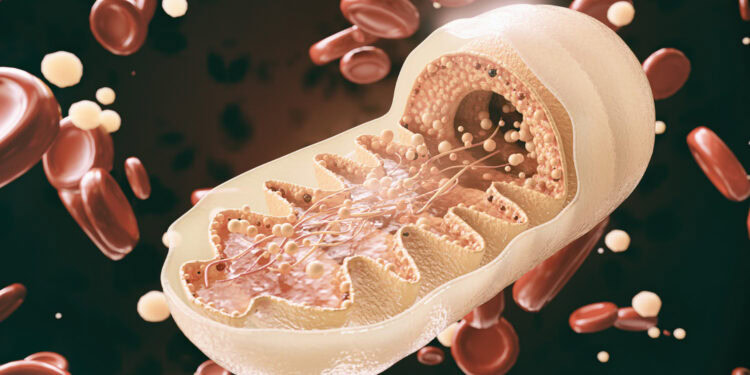
New study links the fatigue of depression to overworked cellular power plants
Researchers found that the cells of young adults with depression overproduce energy while resting but struggle to respond to stress. This discovery provides a physical explanation for depression-related fatigue and points toward new ways to treat it.
Read moreDetails