
A newly discovered brain cluster acts as an on and off switch for sex differences
Researchers found a rare, strictly binary brain feature in mice that is permanently active in females but completely dormant in adult virgin males, only turning on after males mate. (
Read moreDetails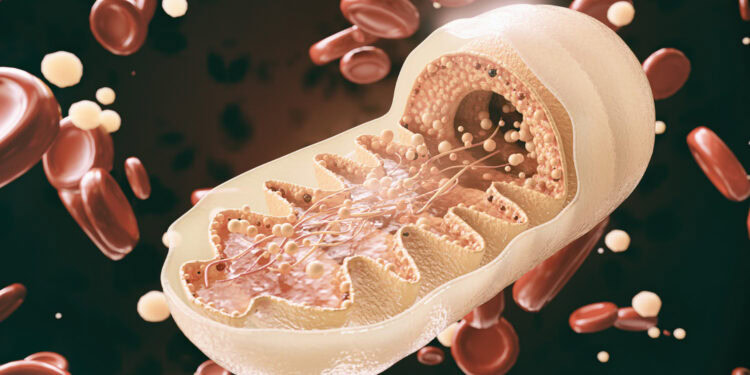
New study links the fatigue of depression to overworked cellular power plants
Researchers found that the cells of young adults with depression overproduce energy while resting but struggle to respond to stress. This discovery provides a physical explanation for depression-related fatigue and points toward new ways to treat it.
Read moreDetails
The hidden brain benefit of getting in shape that scientists just discovered
A new study shows that improving your cardiovascular endurance changes your neural chemistry. Fitter individuals release larger amounts of a restorative protein after a single workout, which helps the brain manage its energy more efficiently.
Read moreDetails
Study links parents’ perceived financial strain to delayed brain development in infants
Using brain scans and parent surveys, scientists discovered that infants in households struggling to make ends meet show delayed brain maturation. A mother's feeling of income insufficiency proved to be the strongest predictor of these delays.
Read moreDetails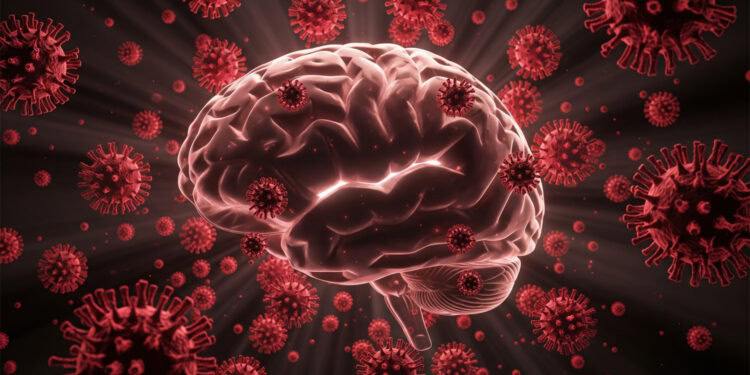
How viral infections disrupt memory and thinking skills
Lingering inflammation from viruses like COVID-19 or HIV can take a lasting toll on the brain. New research shows exactly how specific immune system imbalances lead to memory lapses and slowed thinking.
Read moreDetails
Brain scans reveal the unique brain structures linked to frequent lucid dreaming
A new neuroimaging study suggests that people who frequently control their dreams share distinct structural brain patterns. These networks bridge the areas responsible for self-reflection, visual imagery, and cognitive control.
Read moreDetails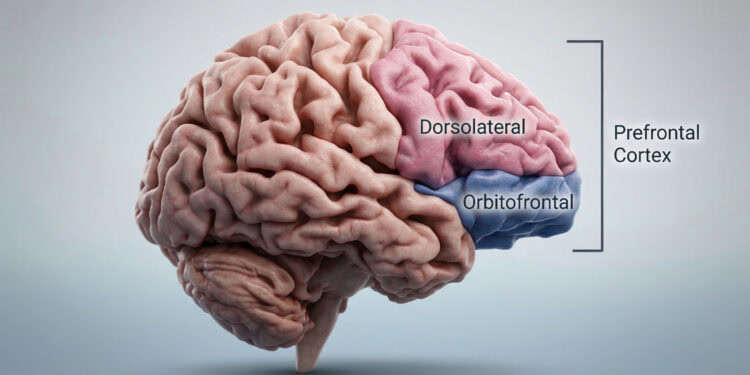
Neuroscientists have pinpointed a potential biological signature for psychopathy
A recent study suggests that high psychopathic traits are linked to reduced thickness in brain regions responsible for processing emotions. This neural pattern appears consistently, regardless of a person's criminal history.
Read moreDetailsA single dose of DMT reverses depression-like symptoms in mice by repairing brain circuitry
A recent study in Translational Psychiatry shows that one dose of DMT reversed loss of pleasure and cognitive deficits in stressed mice. The psychedelic promoted new brain cell growth, highlighting its potential as a rapid-acting antidepressant.
Read moreDetails
Blocking a common brain gas reverses autism-like traits in mice
Scientists have mapped a direct link between a common brain gas and the hyperactive cell growth often seen in autism. Protecting a specific protein from this gas normalized behavior in animal models and human cell cultures.
Read moreDetails
Scientists identify brain regions associated with auditory hallucinations in borderline personality disorder
A recent study in Psychiatry Research: Neuroimaging suggests that hearing voices in borderline personality disorder is tied to reduced gray matter in specific brain regions. This provides evidence for shared physical mechanisms of hallucinations across mental health conditions.
Read moreDetails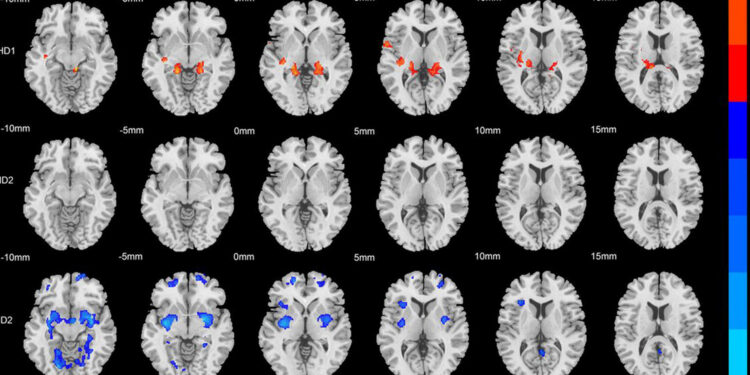
Brain scans reveal two distinct physical subtypes of ADHD
A recent brain imaging study reveals that attention deficit hyperactivity disorder consists of at least two distinct physical subtypes. This discovery suggests that patients may eventually benefit from highly personalized treatments based on their unique biology.
Read moreDetails
Long-term ADHD medication use does not appear to permanently alter the developing brain
A new four-year study brings reassuring news to parents: taking stimulant medications like Ritalin during childhood does not permanently alter brain development, suggesting that initial adaptations to the drug are only temporary.
Read moreDetails
New neuroscience study links visual brain network hyperactivity to social anxiety
Young adults with high social anxiety show heightened activity in the brain's visual processing areas. These neural changes explain their high alertness to social threats and offer a physical marker for early detection.
Read moreDetails
Altering gut bacteria with antibiotics reduces inflammation from traumatic brain injuries
Researchers discovered that clearing out certain digestive bacteria with antibiotics helps calm the immune system. This temporary microbial shift protected mice from severe brain swelling and cellular death following repeated head injuries.
Read moreDetails
New research on acquired aphantasia pinpoints specific brain network responsible for visual imagination
People who lose their visual imagination after a stroke share damage to a single neural circuit. A new analysis maps these rare injuries to pinpoint the exact brain network that generates our internal visual world.
Read moreDetails