Neuroscientists reveal how jazz improvisation shifts brain activity
A study of jazz pianists shows that musical creativity involves a dynamic reconfiguration of brain networks. As improvisational freedom increases, the brain relies less on planning and more on auditory and motor systems to navigate performance.
Read moreDetails
Violence linked to depression in adolescent girls but not boys
A longitudinal study reveals that exposure to violence predicts depressive symptoms in teenage girls, whereas specific brain network changes are strongly linked to depression in teenage boys.
Read moreDetails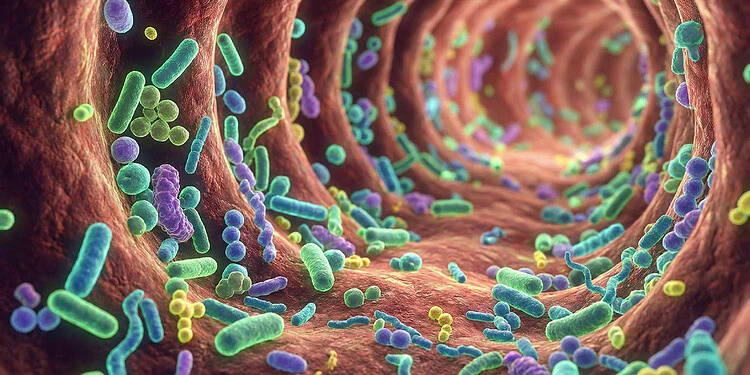
A high-salt diet triggers inflammation and memory loss by altering the microbiome
Scientists have mapped a pathway from the stomach to the brain, showing how a high-salt diet causes anxiety and cognitive impairment by disrupting the delicate balance of the microbiome.
Read moreDetailsCan shoes boost your brain power? What neuroscience says about the new claims
New athletic footwear claims to activate the brain through sensory stimulation of the feet. A neurosurgical perspective examines the biological pathways connecting plantar mechanoreceptors to the somatosensory cortex to evaluate the potential for cognitive influence.
Read moreDetails
Wealthier men show higher metabolism in brain regions controlling reward and stress
Researchers analyzing PET scans discovered that higher family income correlates with increased glucose metabolism in brain regions managing reward and stress regulation, while education level showed no significant connection in middle-aged men.
Read moreDetails
High-precision neurofeedback accelerates the mental health benefits of meditation
A new study using advanced MRI technology found that giving beginners real-time feedback on their brain activity helped them meditate better. This training led to lasting improvements in awareness and mood during daily life.
Read moreDetails
Brain scans reveal neural connectivity deficits in Long COVID and ME/CFS
A new study using 7 Tesla MRI technology reveals that patients with chronic fatigue conditions suffer from disrupted brain connectivity. Unlike healthy brains, these patients struggle to integrate neural networks when mentally fatigued.
Read moreDetails
The neural path from genes to intelligence looks different depending on your age
A study using EEG technology suggests the neural pathways linking genes to intelligence are not static. While young adults rely on executive networks, older adults appear to depend more on sensory processing regions.
Read moreDetails
A process thought to destroy brain cells might actually help them store data
Researchers have identified a protein called Funes that helps fruit flies form long-term memories. The study demonstrates that the nervous system actively regulates the formation of amyloids to stabilize memory traces over time.
Read moreDetails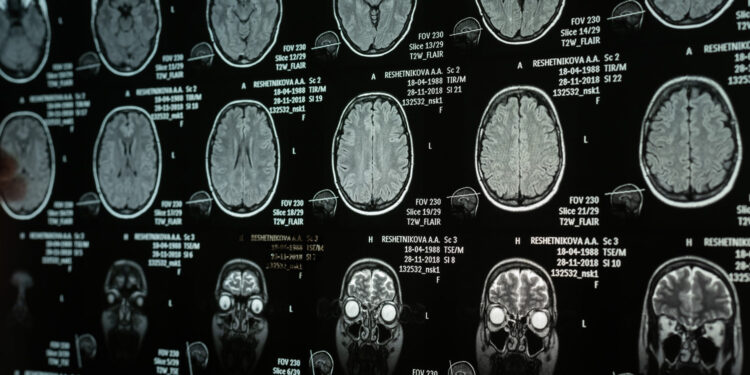
Speaking multiple languages appears to keep the brain younger for longer
A study of 86,000 adults across Europe links multilingualism to slower biological aging. Researchers found that people who speak multiple languages tend to maintain better cognitive function and physical health than their monolingual peers.
Read moreDetails
What brain scans reveal about people who move more
Wrist-worn trackers and MRI scans have uncovered specific patterns in the brain tissue of people who move frequently. These structural markers appear to have a significant relationship with short-term memory.
Read moreDetails
Alcohol shifts the brain into a fragmented and local state
New imaging reveals that drinking disrupts long-distance neural communication. As brain activity moves into isolated clusters, subjective feelings of intoxication increase.
Read moreDetails
Long-term antidepressant effects of psilocybin linked to functional brain changes
Researchers found that a single dose of psilocybin alters the electrical properties of brain cells for months. This functional plasticity, rather than structural growth, may explain why psychedelic therapy offers enduring relief from depression.
Read moreDetails
Scientists identify key brain structure linked to bipolar pathology
A neglected region deep inside the brain may drive bipolar disorder. New research reveals that specific neurons in the thalamus are depleted and genetically altered in patients, offering a fresh target for treatment.
Read moreDetails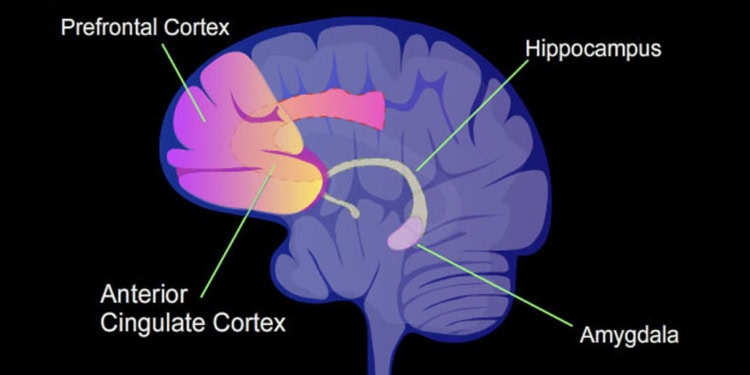
Alcohol triggers unique activity in amygdala neurons
Researchers found that dynorphin-expressing neurons in the mouse amygdala light up significantly more when drinking alcohol compared to other liquids. This unique brain signature could help explain the mechanisms behind excessive alcohol consumption.
Read moreDetails