
New scientific discoveries reveal the lifelong impact of childhood trauma
Childhood trauma leaves a lasting footprint far beyond memory. Recent research reveals how early adversity physically alters our brain structure, disrupts gut health, and reshapes our body's stress response long into adulthood.
Read moreDetails
Brain scans reveal the hidden neurological cost of passive TV watching
A new study suggests that not all sitting is created equal. While frequent TV watching is linked to reduced brain volume, mentally engaging desk work is linked to preserved brain structure in older adults.
Read moreDetails
Brain scans reveal how LSD desynchronizes local neural activity to alter consciousness
Brain imaging reveals that LSD works by quieting local electrical rhythms and severing small-scale synchronization in the cortex. This fragmentation forces the brain to globally integrate sensory data, fundamentally altering human consciousness and perception.
Read moreDetails
How the brain shifts gears to appreciate the beauty of poetry
A new study reveals exactly what happens in the brain when we read for pleasure instead of information. By tracking blood flow, researchers found that the brain temporarily mutes word-processing regions before engaging areas linked to imagination and empathy.
Read moreDetails
Alcohol alters a mathematical marker of brain inhibition
By analyzing the brain scans of intoxicated humans and rats, scientists have validated a new mathematical tool that successfully tracks the brain’s inhibitory system. This non-invasive measure could help researchers better understand various mental health conditions.
Read moreDetails
Neuroscientists find a teamwork paradox: highly synchronized brains perform worse at complex tasks
A recent study published in NeuroImage reveals that while human brains naturally synchronize during cooperative video games, this mental alignment does not guarantee success. High neural synchrony was actually linked to worse strategic performance.
Read moreDetails
Exposure to high temperatures during pregnancy is linked to slower thalamic growth in children
As global temperatures rise, a new study provides evidence that heat exposure during early development may slow the growth of a central brain region, potentially linking early environmental stress to later childhood behavioral changes.
Read moreDetails
Brain structure variations are linked to different types of traumatic memories
New research shows that the microscopic structure of specific brain pathways is linked to how people experience trauma-related flashbacks. Variations in white matter integrity may determine whether traumatic memories manifest as spontaneous intrusions or vivid sensory reliving.
Read moreDetails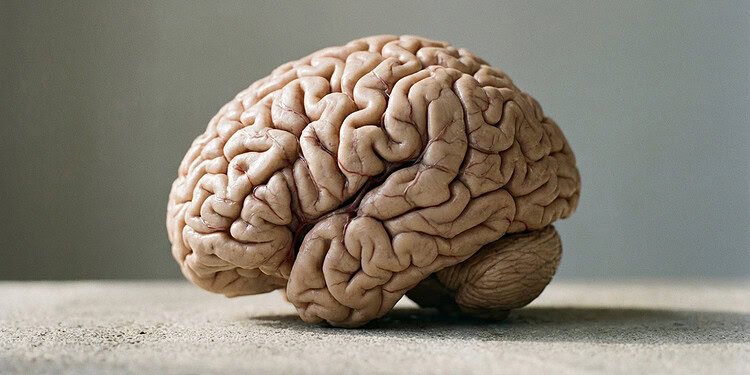
Autistic brains show differences in a fetal fold linked to social cognition
The human brain utilizes deep folds to maximize the storage capacity of neural tissue. New anatomical research shows the physical symmetry of one specific fold linked to emotional processing behaves differently in boys with autism spectrum disorder.
Read moreDetails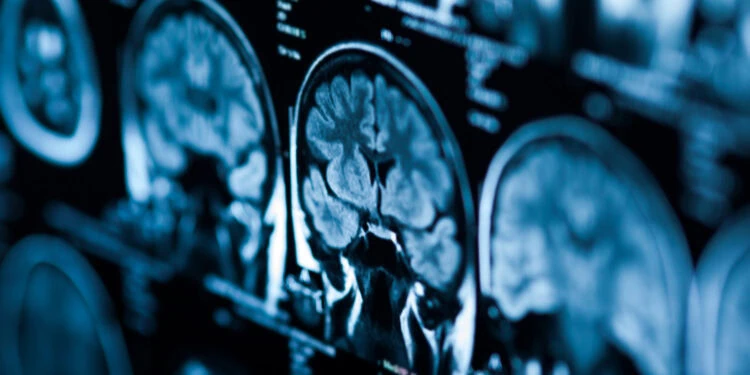
Study finds complex association between dietary fat intake and brain atrophy in older adults
A new study explores the complex link between high-fat diets and Alzheimer's risk. Researchers found dietary fat is associated with faster brain atrophy in healthy older adults, but a slower rate of decline in those with mild cognitive impairment.
Read moreDetails
Scientists discover a specific brainstem circuit that triggers long-lasting anxiety
Researchers have mapped a neural pathway that instantly induces fear. Activating this circuit caused prolonged anxiety in mice, while temporarily turning it off completely blocked the effects of severe stress.
Read moreDetails
Short-video viewing temporarily shuts down cognitive control networks, study finds
A new study explores why it's so hard to stop watching short videos. Researchers found that watching your favorite clips temporarily shuts down the brain's self-control centers, and this effect may be linked to your brain's natural chemistry.
Read moreDetails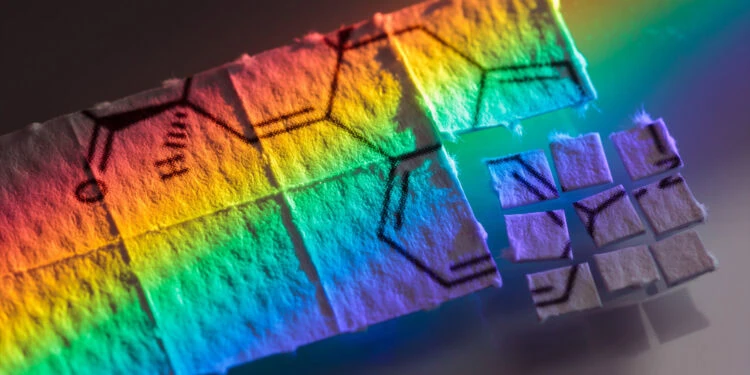
How LSD reshapes brain circuitry to blur the lines between perception and thought
A new computer simulation based on brain scans shows how LSD alters the balance of excitement and inhibition in specific neural circuits. These chemical changes silence sensory pathways and boost abstract thought, unifying the brain into a highly synchronized state.
Read moreDetails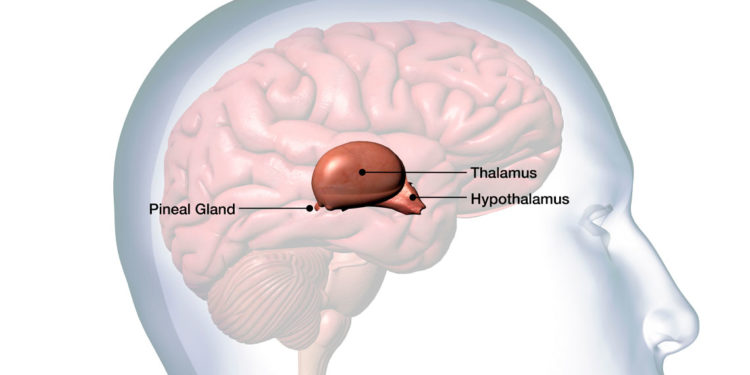
People with psychiatric disorders tend to have a smaller pineal gland
A new review of brain scans reveals that people with psychiatric disorders, especially schizophrenia, tend to have a physically smaller pineal gland. However, this anatomical difference doesn't appear to directly influence how well they sleep at night.
Read moreDetails
Hunger makes all sweetness more rewarding, but artificial sweetener users show unique brain responses
A new study suggests that hunger amplifies our immediate enjoyment of sweetness, regardless of calories. The research also reveals that regular consumers of artificial sweeteners show heightened brain activity in areas linked to self-control.
Read moreDetails