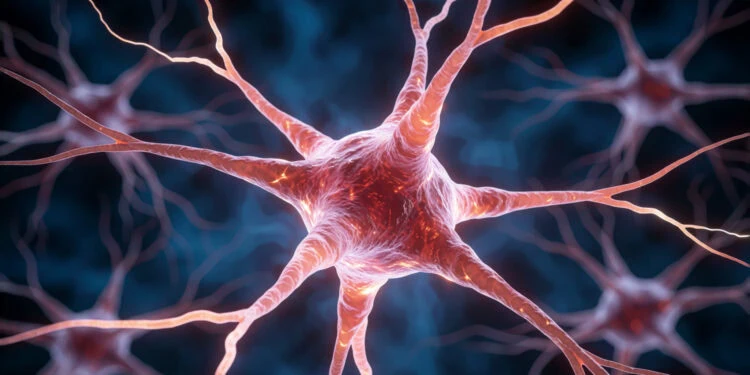
Antidepressants may normalize brain tissue changes caused by chronic depression
A new study reveals how antidepressant medications physically change the brain. Researchers found that treating chronic depression normalizes abnormal brain tissue microstructure, suggesting the initial abnormalities were actually the brain’s attempt to cope with severe symptoms.
Read moreDetails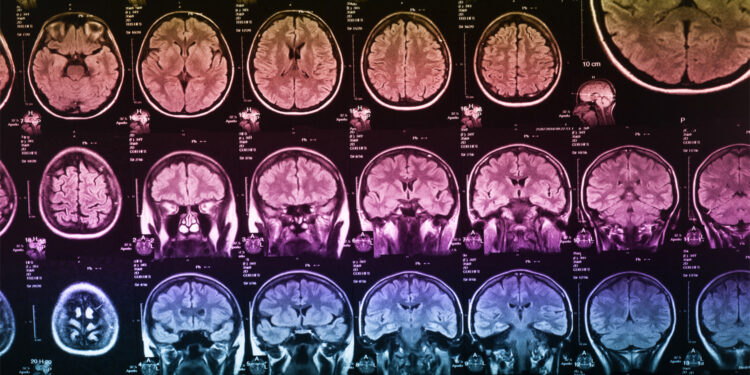
Neuroimaging study of 30,000 adults links the size of six brain areas to stronger working memory
As we age, our ability to temporarily hold and process information tends to decline. However, a recent study of over 30,000 adults suggests that having more physical tissue in six specific brain regions predicts better working memory.
Read moreDetails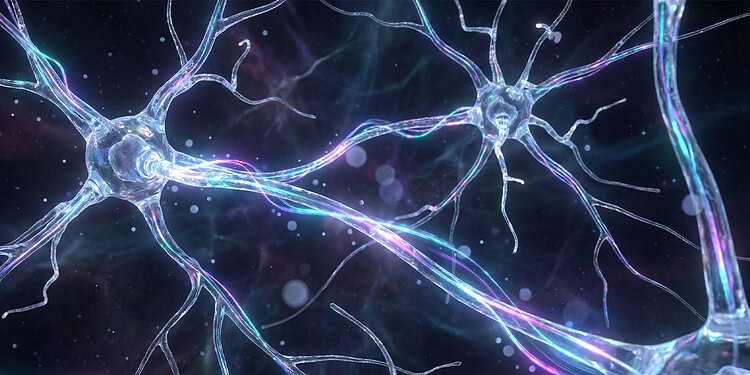
Neuroscience breakthrough uses AI to uncover the cellular building blocks of human speech
A new study in Nature reveals how individual brain cells act as specialized building blocks for language. By tracking neurons during conversations, scientists discovered that single cells are dedicated to specific parts of speech and sentence structures.
Read moreDetails
New study reveals how infants’ brains and bodies respond to music in the first year of life
New research reveals that while infants' brains process musical structure as early as three months old, their bodies take much longer to catch up. Structured physical movement to music doesn't emerge until closer to their first birthday.
Read moreDetails
Neuroscientists shed light on the illusion of learning from short videos
A new study reveals that consuming fragmented, fast-paced media on social platforms hinders the brain’s ability to form long-term memories. While the format grabs sensory attention, it disrupts the neural networks required to absorb facts effectively.
Read moreDetails
Your brain can start dreaming while you are still awake, and scientists just mapped how it happens
A new study in Cell Reports reveals that the boundary between wakefulness and sleep is highly porous. Researchers found that humans can experience bizarre, dream-like states while awake and engage in rational planning while asleep.
Read moreDetails
Brain signal chaos increases during an active migraine attack
People with frequent migraines lose natural unpredictability in their brain signals over time. A recent brain imaging study reveals that sudden migraine attacks might serve as a chaotic reset switch, temporarily restoring flexibility to rigid neural networks.
Read moreDetails
Age at which childhood abuse occurs is associated with distinct brain activity in adulthood
A new study in Molecular Psychiatry suggests that the timing of childhood abuse is linked to distinct differences in how the adult brain processes emotional information, depending on whether the trauma happened in early childhood or adolescence.
Read moreDetails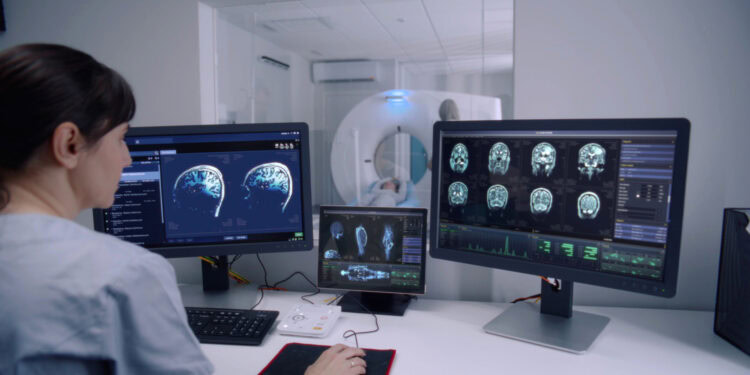
Brain imaging reveals what makes professional visual artists unique
Professional visual artists possess unique brain structures that support vivid mental imagery, according to new research. By combining multiple brain scans, scientists discovered distinct neural patterns in artists that differ significantly from those without artistic training.
Read moreDetails
Psilocybin improves sleep quality in patients with chronic cluster headaches
Psilocybin could help patients with chronic cluster headaches sleep better, according to a recent study in the Journal of Psychopharmacology. Researchers also noted subtle shifts in brain microstructure that tend to accompany these improvements in rest.
Read moreDetails
Artificial intelligence estimates of childhood brain age predict teenage coping skills
By using artificial intelligence to estimate the physical age of a child's brain, researchers can now predict whether they will develop a habit of suppressing their emotions during the turbulent transition into adolescence.
Read moreDetails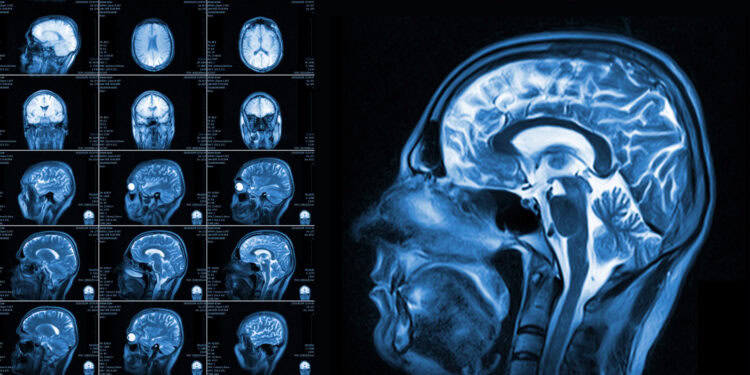
Brain network patterns in childhood linked to early alcohol use
A new study finds that children who start drinking alcohol before age 15 show distinct whole-brain network patterns years earlier. These brain features could serve as early markers for adolescent alcohol use vulnerability.
Read moreDetails
Bilingual brains use a shared neural map to translate meaning across languages
New research reveals that bilingual brains rely on a shared geometric map to process meaning. While individual neurons treat languages differently, the overall neural structure remains the same, allowing seamless translation between languages.
Read moreDetails
Researchers discover a neural bridge between fear and physical reactions
New research shows how two distinct regions of the hippocampus synchronize during fearful events. By tracking nerve cells in animal models, scientists discovered a network that bridges emotional memory and physical defensive behaviors in real-time.
Read moreDetails
Scientists reverse autism-like symptoms in mice by repairing shortened nerve cell structures
Researchers have successfully reversed autism-like behaviors in mice by repairing shortened structures within specific nerve cells. The study provides evidence that core symptoms of the disorder may stem from adaptable brain changes rather than irreversible damage.
Read moreDetails