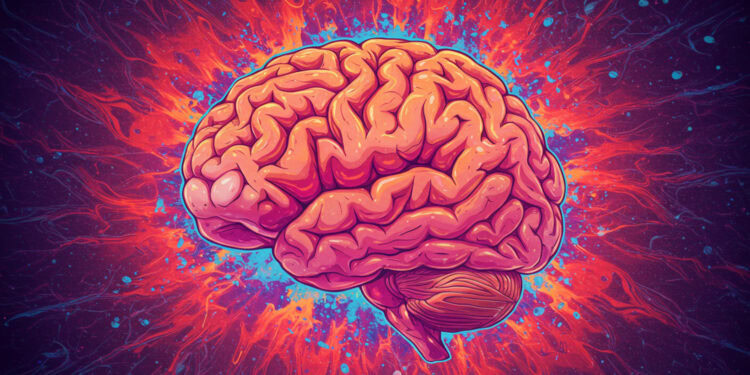
Hallucinogen use is linked to a slight increase in heart valve disease risk
A new analysis of health records suggests a modest link between lifetime hallucinogen use and valvular heart disease. While the increased risk is small, the findings highlight the need for more research into the physical safety of psychedelics.
Read moreDetails
Popular weight loss and diabetes drugs show no biological link to mental illness
Despite troubling reports of anxiety and depression among users of new weight loss and diabetes medications, a comprehensive genetic and clinical analysis reveals no biological link between the drugs and mental health disorders.
Read moreDetails
Strong approval of the National Rifle Association is linked to support for political violence
A recent nationwide survey suggests that adults who strongly approve of the National Rifle Association are more likely to justify and express a willingness to participate in politically motivated violence.
Read moreDetails
Mental health might be emerging as a source of political identity, study finds
A new study suggests that experiencing a mental illness is becoming a distinct political identity, particularly among Gen Z. Those who strongly identify with their mental health conditions are increasingly demanding expanded healthcare, education, and welfare funding.
Read moreDetails
Intolerance of uncertainty is tied to emotion labeling in people with autistic traits
An intense dislike of the unknown is a major source of anxiety for people with autistic traits. A new study explores how putting complex feelings into words is associated with managing this discomfort.
Read moreDetails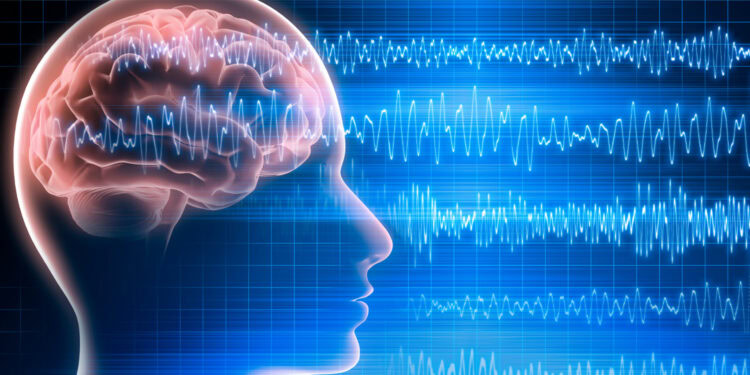
Brainwaves reveal two different biological roots for psychopathic behavior
By measuring brainwaves and startle reflexes on a smartphone, researchers discovered that psychopathic traits like boldness overload attention to ignore threats, while meanness is tied to a biological deficit in emotional processing.
Read moreDetails
Magic mushroom compound enhances the effectiveness of a common nerve pain medication
New research shows that psilocybin, the active compound in magic mushrooms, reduces chronic nerve pain in mice. It also significantly enhances the performance of common pain drugs, suggesting the psychedelic might fundamentally rewire how the brain processes pain.
Read moreDetails
Local changes in income inequality do not predict teen depression, massive study finds
Rising rates of teenage depression are often blamed on growing income inequality. However, a decade-long study of over half a million adolescents reveals that local shifts in the wealth gap have practically zero impact on teen depressive symptoms.
Read moreDetails
Mental health chatbots face a cultural divide over emoji use and conversation depth
While Americans prefer back-and-forth conversations and dislike when automated systems use emojis, Chinese users appear highly accepting of mental health chatbots regardless of communication style, revealing deep cultural divides in how we interact with technology.
Read moreDetails
Your political ideology predicts which World Cup icon you prefer: Lionel Messi or Cristiano Ronaldo
The debate over World Cup icons Lionel Messi and Cristiano Ronaldo isn't just about soccer. New research spanning 26 countries reveals that liberals generally prefer Messi, while conservatives favor Ronaldo, especially among younger, politically divided generations.
Read moreDetails
Sleep apnea severity spikes on Saturdays, raising questions about standard weeknight testing
Shifting your sleep schedule on the weekend might feel good, but a new study found it increases the odds of severe sleep apnea by nearly 40 percent.
Read moreDetails
New study links Christian complementarianism to support for severe reproductive restrictions
A recent study links complementarianism—the conservative Christian belief in strict gender roles—to strong support for national population growth and severe restrictions on birth control and abortion.
Read moreDetails
Study finds no association between frequency of video game play and spatial abilities
Does playing video games make you better at judging distances and visualizing objects? A new study of university students found no link between playing video games and performing well on real-world visual or auditory spatial tasks.
Read moreDetails
Political anger fuels support for violence mainly when voters feel ignored by the system
Political anger doesn’t always lead to violence. A new study shows that intense frustration only increases support for undemocratic behaviors when people feel the government is ignoring them, suggesting responsive institutions are vital for a healthy democracy.
Read moreDetails
Teen pornography habits tied to dominant behavior and lower relational satisfaction
Young people who regularly view pornography featuring aggressive themes are more likely to enact those dominant behaviors with their own partners. New research suggests this behavioral connection is associated with lower romantic satisfaction in adolescent relationships.
Read moreDetails