Brain connectivity predicts how well antidepressants work compared to placebos
A sophisticated data analysis reveals that while the placebo effect mirrors the trajectory of antidepressant recovery, the actual medication produces a stronger response uniquely linked to a patient's underlying brain circuitry.
Read moreDetails
A healthy diet doesn’t cancel out the inflammatory effects of alcohol, study finds
While eating well slightly lowers inflammation, new research shows it is not enough to reverse the damage caused by frequent alcohol consumption. Moderate and heavy drinking were linked to significant inflammatory spikes, regardless of diet quality.
Read moreDetails
Brain scans reveal how ibogaine alters neural networks in veterans with head trauma
Special Operations veterans with head traumas experienced notable clinical improvements after taking ibogaine. Brain scans reveal the therapy was associated with lasting increases in cerebral blood flow and the widespread reorganization of neural networks.
Read moreDetails
New study reveals distinct differences in how different drugs relate to criminal behavior
A study of over 500,000 Americans suggests that substances like PCP and cannabis consistently predict higher arrest rates. Conversely, psilocybin is associated with lower odds of offending, though these protective effects vary by race and age.
Read moreDetails
Estrogen levels may dictate how the brain reacts to psychedelics, new animal study indicates
A new study reveals that a rodent's age and reproductive cycle strongly influence its response to psilocybin, pointing toward a need for customized psychiatric drug treatments across different patient demographics.
Read moreDetails
Are the benefits of psychedelics exaggerated? A new study highlights the problem of selection bias
A new study suggests that the widely reported life-changing benefits of psychedelics might be somewhat exaggerated. Researchers found that studies relying on "enthusiast" communities report significantly higher quality-of-life improvements compared to studies using a general population sample.
Read moreDetails
New study explores the link between mystical psychedelic trips and a reduced fear of dying
A new study suggests that meaningful psychedelic experiences reduce a person's fear of death by increasing their sense of connection to themselves, their loved ones, and the universe.
Read moreDetails
Real world outcomes support the benefits of psychedelic therapy for severe depression
New research shows that combining specialized therapy with psychedelic substances like psilocybin or LSD offers notable relief for treatment-resistant depression and anxiety. This data from a Swiss clinical program highlights the promise of these treatments in everyday medical settings.
Read moreDetails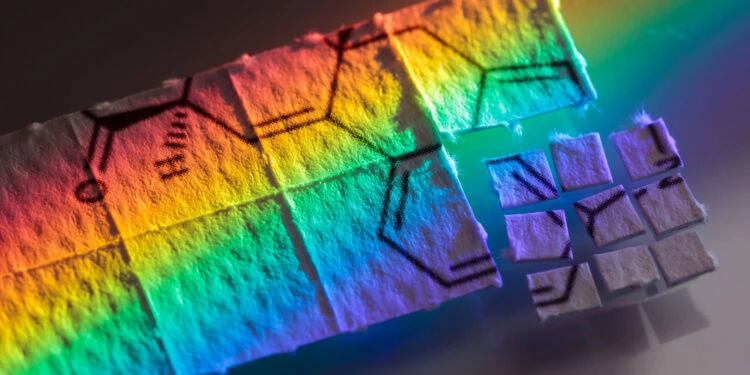
LSD microdosing linked to acute mood improvements in adults with depression
A new pilot study suggests that taking small, sub-perceptual doses of LSD could temporarily boost feelings of creativity and social connection in individuals with major depression. However, researchers caution that placebo-controlled trials are still needed.
Read moreDetails
Novel psychedelic compound 25C-NBF shows rapid antidepressant effects without addictive traits
A novel psychedelic drug promotes rapid structural growth in brain cells and reverses depressive behaviors in mice. The substance, 25C-NBF, appears to lack the addictive qualities and severe sensory disruptions associated with similar recreational drugs.
Read moreDetails
Psychedelic science breakthrough: Increased brain entropy from psilocybin predicts lasting psychological insight and well-being
A single high dose of psilocybin can cause lasting physical changes in the human brain. Scientists found that temporary increases in brain randomness during the experience predict improved well-being and mental flexibility for at least a month.
Read moreDetails
People with cannabis use disorder are more likely to be depressed, study finds
A massive new meta-analysis reveals a staggering overlap between cannabis addiction and depression. Researchers found that over 30% of people with Cannabis Use Disorder also suffer from Major Depressive Disorder, highlighting a critical need for dual-diagnosis mental health treatments.
Read moreDetails
Combining alcohol with cocaine rewires the brain’s relapse pathways differently than cocaine alone
A new study shows that combining cocaine and alcohol changes the brain circuits responsible for drug relapse. This suggests treating people who use both substances will require entirely different medical approaches than treating those who only use cocaine.
Read moreDetails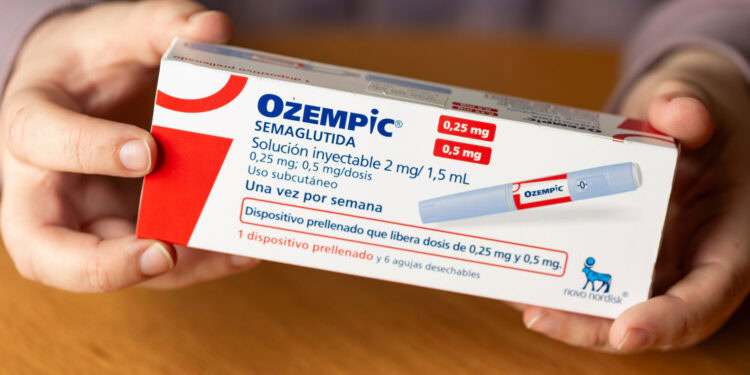
Weight-loss drug semaglutide reduces heavy alcohol drinking in new clinical trial
A recent study finds that the active ingredient in Wegovy and Ozempic significantly decreased heavy drinking in patients with obesity and alcohol use disorder. The findings suggest a potential new treatment path for millions of people.
Read moreDetails
Mental health risks of cannabis addiction depend heavily on age
Adolescents with a cannabis addiction are more likely to develop schizophrenia and depression than peers addicted to other substances. A recent study shows that this risk pattern reverses in adults, highlighting the vulnerability of the developing brain.
Read moreDetails