
Ketamine blocks the short-term anxiety and social withdrawal linked to adolescent social defeat
Experiencing severe social defeat during adolescence typically leads to anxiety and social avoidance. However, a new study reveals that treating mice with ketamine prior to stressful events effectively blocks these negative behavioral changes.
Read moreDetails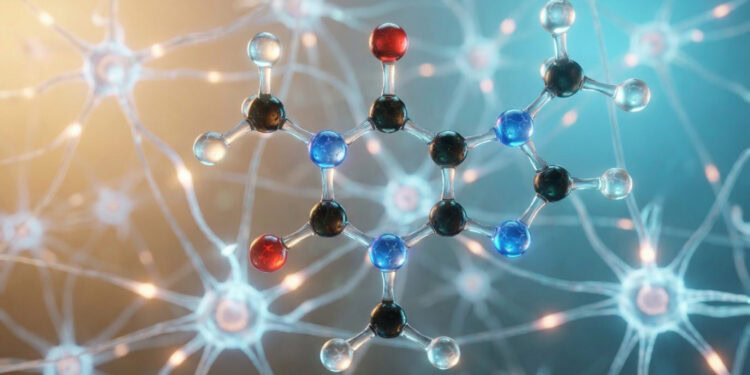
Caffeine might ease anxiety and depression by calming brain inflammation
A recent review of animal studies suggests that caffeine blocks specific cellular receptors to reduce neuroinflammation. This immune-calming effect may help alleviate behavioral symptoms associated with mood disorders.
Read moreDetails
Scientists map the brain waves behind the intense effects of ayahuasca
New research reveals how ayahuasca alters brain waves to induce vivid, spontaneous thoughts. A simple brain recording before consumption can even predict how intensely a person will experience the brew's physical and emotional effects.
Read moreDetails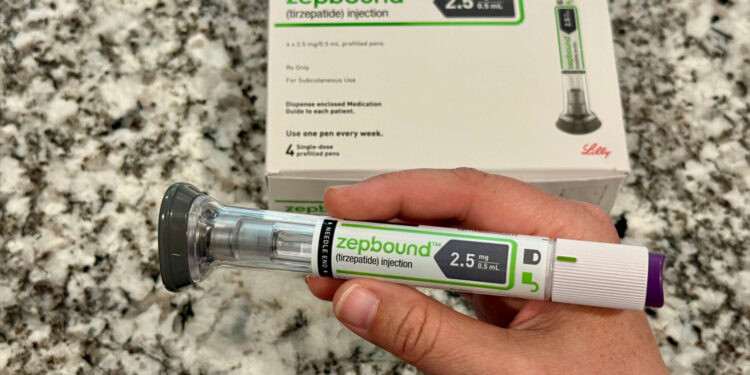
A popular weight loss drug shows promise for treating alcohol addiction
A medication already approved for weight loss and diabetes may alter the brain's reward system to suppress the urge to drink. A new rodent study shows tirzepatide effectively cuts alcohol intake and blocks relapse-like behaviors.
Read moreDetails
Neural signatures of impulsivity and neuroticism are largely distinct in youth
New research shows that while impulsivity and neuroticism both increase the risk of teen alcohol use, they stem from almost entirely different brain networks. This highlights how multiple biological pathways can lead to risky behavior.
Read moreDetails
Ibogaine appears to trigger an accelerated “auto-psychotherapy” process during PTSD treatment
Researchers have identified a self-guided therapeutic process induced by magnesium-ibogaine. Published in npj Mental Health Research, the study sheds light on how veterans with brain injuries revisit traumatic memories to achieve psychological and cognitive healing.
Read moreDetails
Alcohol drinking habits predict long-term anxiety differently across age groups
A new longitudinal study suggests that drinking larger amounts per occasion is linked to slightly higher future anxiety. However, frequent, low-quantity consumption is associated with lower anxiety levels in adults over 51.
Read moreDetails
Surprising new research links LSD-induced brain entropy to seizure protection
Scientists have found evidence that LSD inhibits status epilepticus and mortality in mice. The preliminary research suggests the drug works by desynchronizing brain activity.
Read moreDetails
Low-dose psilocybin reduces weight gain and hyperglycemia in mice fed obesogenic diet
Chronic microdosing of psilocybin could fight obesity and diabetes without the "trip." Researchers discovered that non-hallucinogenic doses reduced weight gain and restored insulin sensitivity in mice by targeting specific receptors in the liver.
Read moreDetails
Cannabis use associated with better decision-making skills in people with bipolar disorder
A new study published in Translational Psychiatry finds that chronic cannabis use is associated with better decision-making in people with bipolar disorder, contrasting with the cognitive impairment typically observed in healthy users.
Read moreDetails
Daily soda consumption linked to cognitive difficulties in teens
Adolescents who consume sugary beverages every day are more likely to report cognitive struggles. A recent analysis suggests that the resulting lack of sleep is a primary factor connecting sugary drinks to reduced mental clarity.
Read moreDetails
Childhood trauma and genetics drive alcoholism at different life stages
A new study finds that while severe childhood trauma often leads to early alcoholism, specific genetic variants are more closely linked to the disorder developing later in life.
Read moreDetails
Methamphetamine increases motivation through brain processes separate from euphoria
New evidence indicates that methamphetamine makes difficult tasks feel less burdensome, especially for naturally less motivated people. This change in behavior happens independently of the pleasurable high that the drug often produces.
Read moreDetails
Scientists identify key brain mechanism behind ayahuasca’s ability to reduce PTSD symptoms
A study in European Neuropsychopharmacology finds that ayahuasca helps rats learn that a previously dangerous environment is safe. This effect appears to rely on BDNF signaling within the infralimbic cortex, suggesting a potential biological pathway for treating trauma.
Read moreDetails
Recreational ecstasy use is linked to lasting memory impairments
A new systematic review suggests that recreational ecstasy users suffer from verbal memory impairments that do not improve even after months or years of quitting the drug.
Read moreDetails