
Frequent short-video viewers show altered brain function
Young adults who spend at least an hour daily on apps like TikTok show increased connectivity across multiple brain networks compared to lighter users, according to new research.
Read moreDetails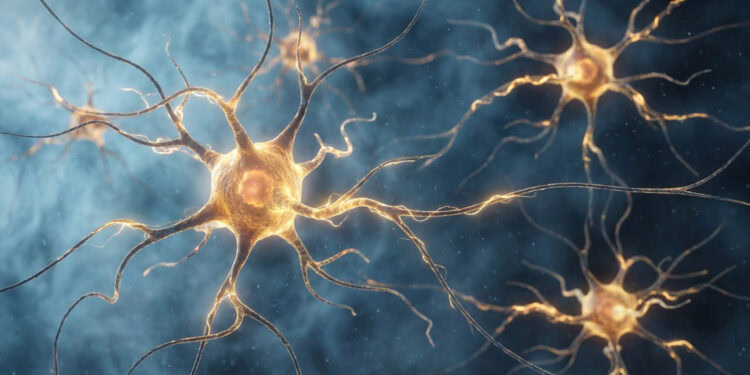
Lower myelin levels in gray matter suggest a biological tie between early trauma and depression
A new neuroimaging study suggests that adults with depression who experienced childhood trauma tend to have lower levels of myelin in specific brain regions. This indicates a potential biological link between early adversity and depressive symptoms.
Read moreDetails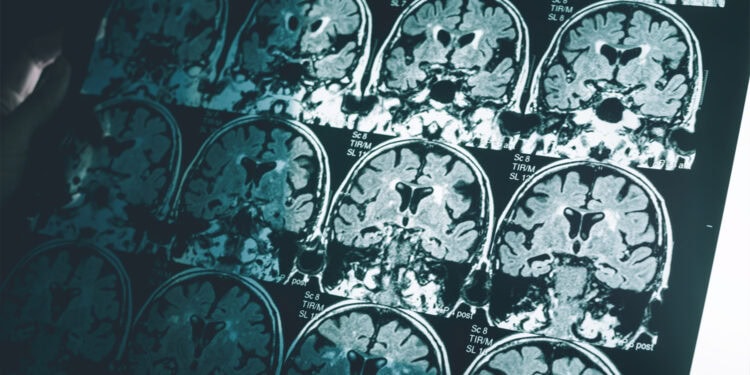
Brain wiring patterns linked to harm avoidance in obsessive-compulsive disorder
Researchers have linked denser nerve connections deep within the brain to a heightened sensitivity to potential threats. This specific brain wiring pattern appears across multiple psychiatric conditions, including obsessive-compulsive disorder and anxiety.
Read moreDetails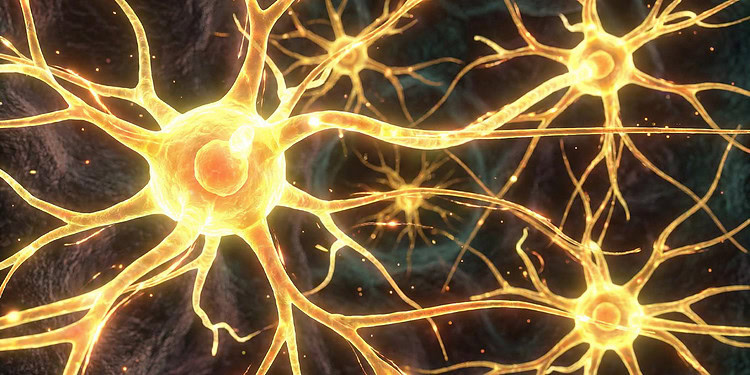
Inflammation corresponds to altered brain wiring in borderline personality disorder
People with borderline personality disorder may experience low-grade systemic inflammation that corresponds to structural differences in the brain's internal wiring. A recent study links elevated immune markers to reduced integrity in brain pathways that regulate human emotion.
Read moreDetails
Brain signals help reproductive cells survive heat stress, new worm study suggests
Scientists have discovered a hidden communication network in worms where the nervous system uses small RNA molecules to protect fertility. This shows that an animal's sensory perception can physically buffer its reproductive system against extreme heat.
Read moreDetails
Parental high-fat diets leave lasting marks on offspring brain development
A parent's diet before and during pregnancy leaves lasting physical marks on offspring brains. A new mouse study shows that parental high-fat diets alter brain structure into adulthood, even if the offspring transition to healthy eating.
Read moreDetails
Migraines are linked to accelerated brain aging in regions tied to memory and emotion
Migraines are more than just painful headaches. A new study reveals that the condition is linked to accelerated brain aging, with structural changes appearing in regions responsible for memory, attention, and emotional regulation.
Read moreDetails
Scientists discover new insights into how mindfulness practices shift the brain’s neural landscape
Three recent studies detail how mindfulness, self-compassion, and group therapy reduce harsh self-judgment. These psychological improvements correspond with physical changes in how the brain's emotional and executive control centers communicate.
Read moreDetails
Psilocybin increases brain flexibility and shifts information flow weeks after use
A single dose of psilocybin can alter brain communication for up to a month. New research suggests the psychedelic increases brain flexibility and shifts information flow, offering clues to its lasting effects on mental health.
Read moreDetails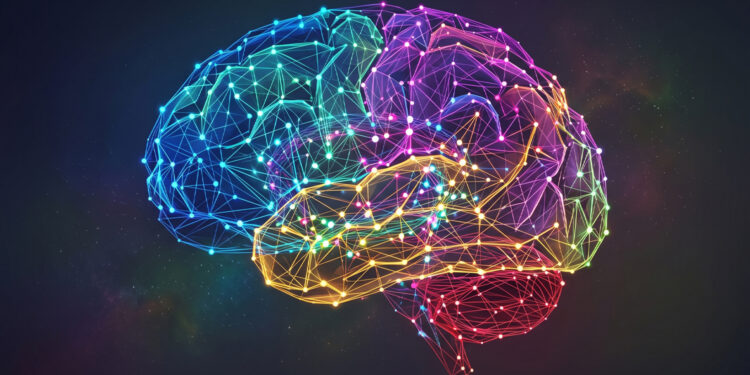
Infant brain structure predicts future intelligence scores
Can a one-year-old's brain structure forecast their childhood intelligence? By analyzing white matter connections using artificial intelligence, researchers discovered that infant brain scaffolding accurately predicts cognitive scores years later, highlighting the early biological foundations of individual ability.
Read moreDetails
101 fun facts about the mind and brain, according to science
The human mind is stranger than you think. Here are 101 fun findings from psychology and neuroscience research, on memory, sleep, perception and personality.
Read moreDetails
Scientists are using biological markers to take the guesswork out of depression treatment
Researchers have developed a predictive algorithm using brain connectivity and behavioral tests to forecast antidepressant outcomes. A recent study suggests this tool can identify depressed patients who are highly likely to benefit from standard medications.
Read moreDetails
Long COVID symptoms linked to measurable damage in the brain’s dopamine system
A recent study provides evidence that people experiencing long COVID show a measurable reduction in the brain’s dopamine-releasing neurons. These physical changes tend to be associated with persistent symptoms like apathy, memory problems, and slowed physical movements.
Read moreDetails
Neuroscientists just upended a core assumption about how psychedelics alter brain function
New brain scans show that drugs like LSD, psilocybin, and MDMA reliably reduce the upward flow of information into a core brain network. This surprising shift offers a biological explanation for their psychological risks and benefits.
Read moreDetails
How a child’s brain processes emotional faces offers a surprising glimpse into their future friendships
Scientists have discovered that a child’s early brain activity can forecast their future social life. Surprisingly, the same neural response to emotional faces predicts very different patterns of peer engagement for boys and girls entering adolescence.
Read moreDetails