
Perceived financial hardship linked to depression, especially in the wealthy
A person’s perception of their finances is a powerful predictor of depression, a new study reveals. This link is unexpectedly strongest not among the poor, but among wealthy individuals who feel financially strained.
Read moreDetails
Children with ADHD tend to perceive visual illusions differently
New findings published in the Journal of Attention Disorders suggest that children with ADHD perceive certain visual illusions differently. These differences may reflect subtle changes in how their brains process visual information, offering clues about attention and perception.
Read moreDetails
Are conservative evangelical men really more insecure about their penis size?
A bold theory has suggested that conservative Protestant men feel more insecure about their bodies, especially when it comes to penis size. A new study puts that idea to the test using national survey data from over 1,800 American men.
Read moreDetails
Does bad sleep make ADHD homework problems worse?
Many adolescents with ADHD struggle with both sleep and homework, creating a nightly challenge for families. Researchers recently investigated the connection between these issues, exploring whether poor sleep directly contributes to the academic difficulties often seen in these teens.
Read moreDetails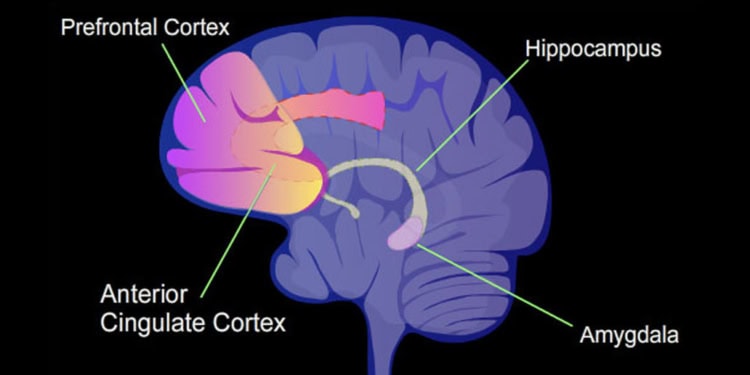
Neuroscientists are starting to unravel the amygdala’s complexity, shedding new light on PTSD
Often labeled the brain’s fear center, the amygdala is much more complex than that. A study in Translational Psychiatry suggests that PTSD is linked to altered connectivity in one of its subregions, with potential implications for emotion and body awareness.
Read moreDetails
Five cultural tendencies might explain the “East Asian happiness puzzle”
East Asia’s wealth and democracy do not translate into higher happiness scores, unlike in the West. A new study suggests five cultural habits may explain this persistent “East Asian happiness puzzle.”
Read moreDetails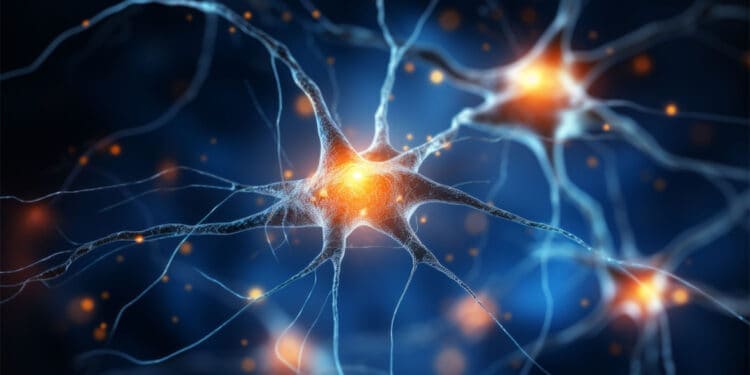
Scientists uncover molecular link between high salt and cognitive decline
A study in Advanced Science has pinpointed how a high-salt diet can lead to cognitive decline. Researchers found excess salt disrupts a specific molecular pathway in the brain, causing the loss of a protein essential for healthy neuron connections.
Read moreDetails
“Only the tip of the iceberg:” Misophonia may reflect deeper psychological realities
A new study provides evidence that misophonia is linked to difficulties in adapting to emotional demands and switching thoughts. The findings point to cognitive and emotional rigidity that may underlie sound sensitivity symptoms.
Read moreDetails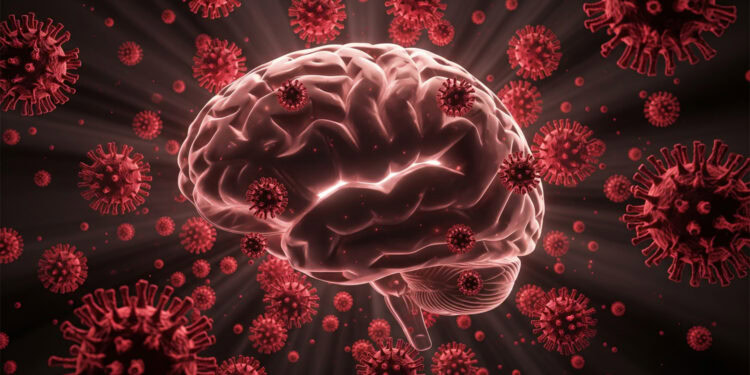
This is the devastating, long-term reality for hundreds of thousands after COVID
New research demonstrates that long COVID can be a severely disabling condition. A recent study found individuals with lasting symptoms report worse daily function than 98% of the general population, with a significant negative impact on their overall quality of...
Read moreDetails
Genetic predisposition for ADHD and autism linked to higher heart disease risk
New research provides genetic evidence that neurodevelopmental conditions like ADHD and autism may directly increase the risk for specific heart diseases. The study, published in Cells, used genetic data to uncover potential causal relationships between the disorders.
Read moreDetails
Women with ADHD are three times more likely to experience a severe premenstrual disorder
New research has found that about 31% of women with a clinical ADHD diagnosis also had PMDD. This is a stark contrast to the 9% prevalence in women without ADHD, highlighting a significant at-risk group.
Read moreDetails
New study identifies gut bacteria product that can trigger Parkinson’s-like brain damage
Scientists have identified a chemical produced by a common gut bacterium that travels to the brain and kills dopamine-producing neurons. Published in Nature Communications, the study establishes a direct link between a gut microbe and the development of Parkinson's-like symptoms.
Read moreDetails
Semaglutide shows potential to curb cocaine addiction behaviors
A new study suggests that semaglutide, a drug best known as Ozempic, may reduce cocaine use, motivation, and relapse in rats. These findings point to a possible role for GLP-1-based drugs in treating cocaine addiction.
Read moreDetails
Chronic insomnia linked to faster cognitive decline and brain aging
Could poor sleep be accelerating your brain's aging process? New research suggests it might. A study in Neurology found that chronic insomnia is associated with a more rapid decline in cognitive skills, equivalent to an extra 3.5 years of aging.
Read moreDetails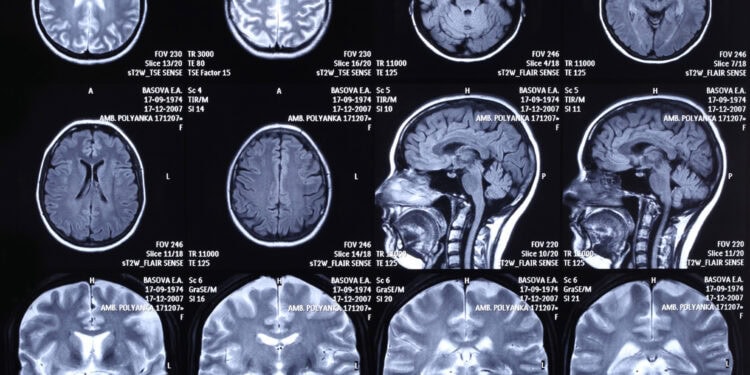
Brain iron levels may signal Alzheimer’s risk years before symptoms appear
New research suggests that higher iron levels in specific brain regions may help identify who is at risk for developing memory problems years before symptoms emerge. The findings may offer a new way to track Alzheimer’s risk using MRI scans.
Read moreDetails