
People found not guilty by reason of insanity show a surprisingly mixed criminal risk profile
Psychiatric symptoms alone do not explain why some people with mental illness enter the criminal justice system. A new study reveals that standard criminal risk factors, like antisocial attitudes and social environments, closely mirror their legal involvement.
Read moreDetails
Kindness isn’t always what it seems: The psychology of women’s competitive altruism
New research suggests that some women weaponize kindness, using acts of generosity as a subtle strategy to outmaneuver social rivals. This "competitive altruism" is strongly linked to manipulative personality traits and lower agreeableness.
Read moreDetails
Lower cognitive ability is linked to stronger Christian nationalist views, even after accounting for education
A recent study indicates that Americans with lower cognitive ability scores tend to be more likely to embrace Christian nationalism. The findings suggest the ideology’s appeal is linked to underlying cognitive resources rather than just educational differences.
Read moreDetails
Removing Confederate monuments did not measurably change racial bias, study finds
A recent investigation suggests that the presence or removal of Confederate monuments does not alter people's racial biases.
Read moreDetails
Maternal psychopathic traits predict teens’ callous-unemotional traits a year later
A mother's emotional coldness may be a family risk marker for callous traits in teens with serious behavior problems. New research suggests the emotional side of maternal psychopathy predicts teens' callousness a year later, beyond their starting levels.
Read moreDetails
Brief exposure to uplifting YouTube clips eases depressive feelings
A recent psychology experiment shows that taking a few minutes to watch hopeful, goal-oriented YouTube videos can temporarily reduce feelings of depression and boost personal motivation.
Read moreDetails
As America shifted left under Trump, emotional hostility widened the partisan gap
During Donald Trump’s first presidency, American public opinion broadly shifted leftward. But a new study reveals this "liberal rebound" was accompanied by surging emotional hostility between political parties, driving voters further apart on key policy issues.
Read moreDetails
Taylor Swift fans lower climate concerns to justify star’s carbon footprint
When Taylor Swift's private jet usage made headlines, climate-conscious fans faced a dilemma. A new study reveals how young fans use psychological defense mechanisms to justify the pop star's carbon footprint, ultimately weakening their own pro-environmental attitudes.
Read moreDetails
New study links internet addiction to exhausted physiological stress systems
A new study analyzing human hair samples reveals that severe internet addiction is associated with lower long-term accumulations of the stress hormone cortisol, suggesting the body’s biological stress response may become exhausted over time.
Read moreDetails
East Germans who experienced repression during the GDR show higher distress and systemic inflammation, study finds
Citizens of former East Germany who faced surveillance and harassment still show higher psychological distress and systemic inflammation decades later. A new study reveals how "soft" authoritarian repression leaves a lasting physical and mental mark.
Read moreDetails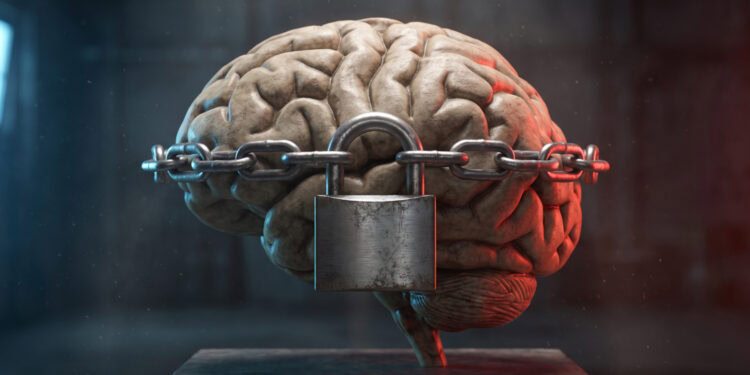
Dogmatic beliefs about sex and gender are linked to authoritarianism on both the left and the right
A new study published in Archives of Sexual Behavior indicates that rigid thinking about gender isn’t limited to one political side. Both strictly traditional and highly progressive gender beliefs are strongly linked to authoritarianism.
Read moreDetails
People in strained relationships show somewhat higher preference for hearing lies
While honesty is considered the foundation of a healthy relationship, a new study shows that couples experiencing dissatisfaction are significantly more likely to want their partners to tell them well-intentioned lies to keep the peace.
Read moreDetails
Study reveals which values actually stop voters from supporting antidemocratic politicians
Why do voters support candidates who threaten democracy? A new study suggests that while party loyalty is powerful, holding a strong personal commitment to democratic institutions helps citizens resist antidemocratic politicians at the ballot box.
Read moreDetails
A simple tactic can increase likability for socially anxious people, new research suggests
People with social anxiety often fear judgment and hold back in conversation. A new study finds that simply sharing personal experiences can boost how likable they seem to others, regardless of their anxiety levels.
Read moreDetails
Negative feelings about life are more common among teens on Instagram and TikTok
A new survey of American teenagers suggests that negative online experiences vary wildly by platform, with TikTok and Instagram users reporting much higher rates of sleep disruption and negative social comparison than those using YouTube.
Read moreDetails